Why Does an Automatic Shrink Wrapping Machine Price Run Higher? Servo, PLC and Payback
What an Automatic Shrink Wrapping Machine Price Actually Buys
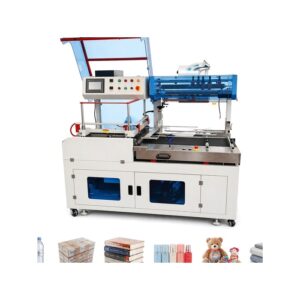
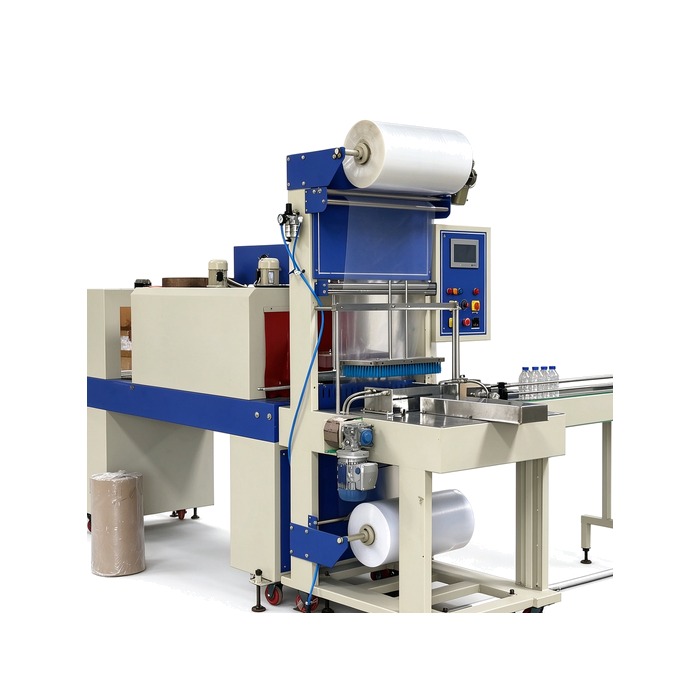
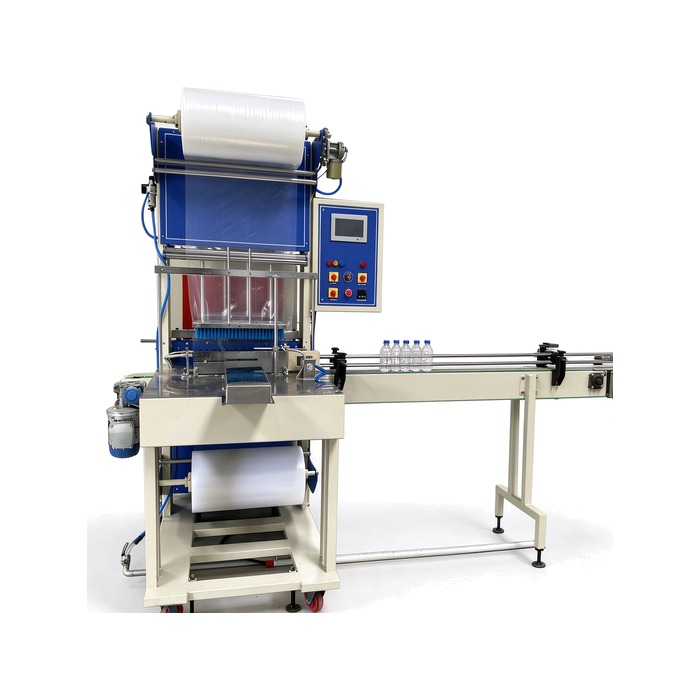
The jump from a semi automatic line to a fully automatic one looks like a speed upgrade on paper, but the higher figure is really buying motion control. An automatic shrink wrapping machine price reflects machines that feed, collate, seal, and shrink without an operator touching the product — and that requires a different class of hardware at every station: servo-driven film feed instead of a clutch, sensors that confirm product position before every seal cycle, and a control system that coordinates all of it in real time.
Servo motors replace pneumatics and simple AC drives because position control matters: the film must advance exactly one product length per cycle, thousands of times per shift, without drift. A PLC with a recipe screen stores your product profiles so changeovers become a selection rather than a re-tuning session. Neither of these appears on a brochure photo, yet both are the reason an automatic shrink wrapping machine price varies so widely between two machines with the same stated speed.
Three Systems That Push an Automatic Shrink Wrapping Machine Price Upward
Servo axes are the first: each additional axis — film feed, product infeed, discharge — adds a drive, an encoder, and integration time. The PLC and HMI tier is second, from a basic logic relay with buttons up to a name-brand controller with recipe management and remote diagnostics. Infeed synchronization is third: matching upstream product flow to the seal cycle, whether by conveyor timing, stackers, or a collator, is engineering work that simpler machines simply do not contain.
How Suppliers Build an Automatic Shrink Wrapping Machine Price Quote
An honest quotation for this class of equipment reads like a systems specification. Beyond the sealing head and tunnel, look for the number of servo axes, the PLC brand and tier, the HMI size and language support, infeed conveyor length and synchronization method, product changeover procedure, guarding standard, and the spares list. When a quote for an automatic shrink wrapping machine price arrives without those details, the supplier is either quoting a machine that is not really automatic or one that will need costly additions after the purchase order.
| Feature |
Entry automatic spec |
Premium spec |
What the premium adds |
| Film feed |
Single servo axis |
Multi-axis with registration |
Printed film and tight seal windows |
| Controls |
Basic PLC, button HMI |
PLC with recipes and diagnostics |
Minutes, not hours, at changeover |
| Infeed |
Fixed-speed conveyor |
Synchronized servo infeed |
No-gap sealing at higher rates |
| Seal system |
Standard L-bar |
Heavy-duty bar, quick-change wire |
Uptime on multi-shift schedules |
| Tunnel |
Standard chamber |
Zoned heaters, cooling section |
Consistent shrink at line speed |
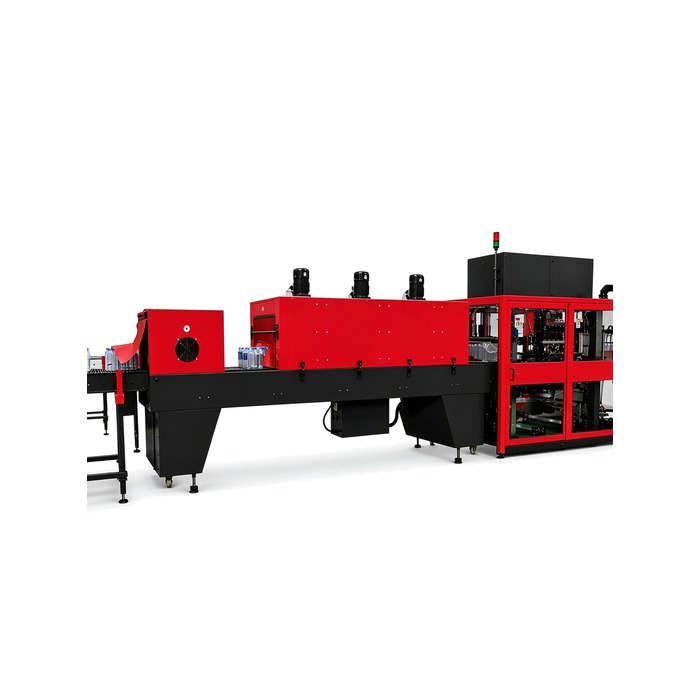
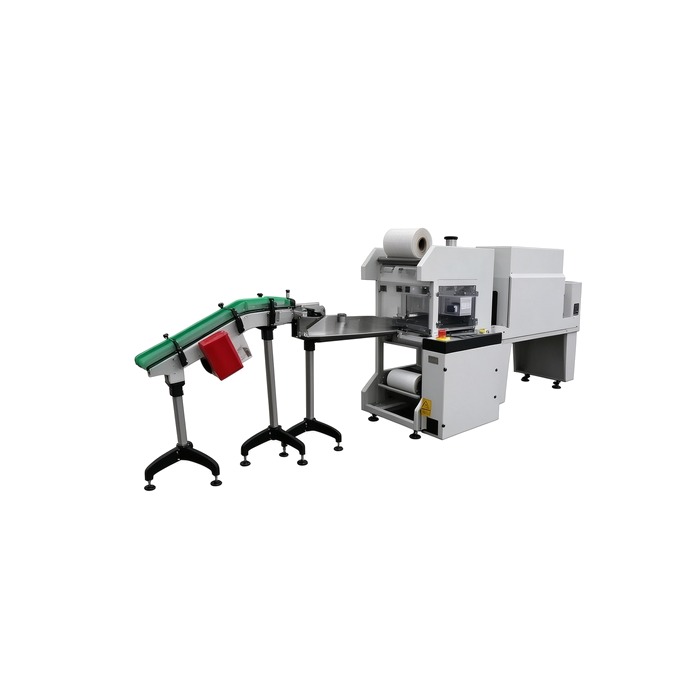
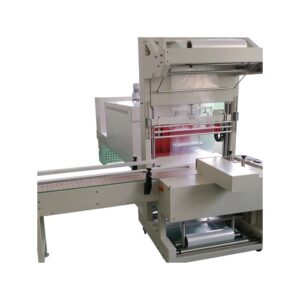
When you compare quotes, hold them to the same standard: ask each supplier to state cycle rate at your actual pack size, with your film, and to name the components behind every line above. A quote that names its servo count and controller brand can be checked against references; one that says “high-speed automatic system” cannot. For a proven reference build in this class, the fully automatic shrink wrap machine we produce lists those specifications openly, precisely so buyers can compare engineering rather than adjectives.
Comparing Automatic Quotes Without Getting Lost in Brochure Numbers
Put the three or four quotations side by side in a spreadsheet with one row per specification and one column per supplier. The gaps become obvious within an hour, and so do the quotes that were written to win on total rather than to run on your floor.
When the Automatic Premium Pays Back — and When It Does Not
An automatic shrink wrapping machine price pays back when the machine displaces real labor hours across shifts, when consistency matters to your customers, or when your bottleneck is the seal station rather than upstream supply. It does not pay back when volumes are seasonal, when products change size daily, or when nobody on site can service servo-driven equipment. An automatic line amplifies whatever production discipline you already have.
- Confirm the stated cycle rate was calculated at your pack size, not a catalog maximum
- Count the servo axes and ask what each one controls
- Get the PLC and HMI specification in writing, including recipe capacity
- Request the spares list and controls documentation before signing
- Compare the automatic shrink wrapping machine price against the labor cost it displaces across your actual shifts
Making the Automatic Shrink Wrapping Machine Price Decision
If those checklist answers hold up, the premium is usually justified; if two or three of them wobble, a well-specified semi automatic machine may serve you better for another year or two. Send SWM Machines your product samples, shift targets, and current labor layout, and we will run the numbers with you — including the automatic shrink wrapping machine price that matches your real production, not an oversized one built for a spec sheet.
Related Articles
Looking for a Reliable Shrink Wrap Machine Manufacturer?
Work with our in-house manufacturing and industry experts