How to Size an L Bar Shrink Wrap Table Top Machine Without Mis-Ordering the Seal Bar
How an L Bar Shrink Wrap Table Top Machine Actually Seals
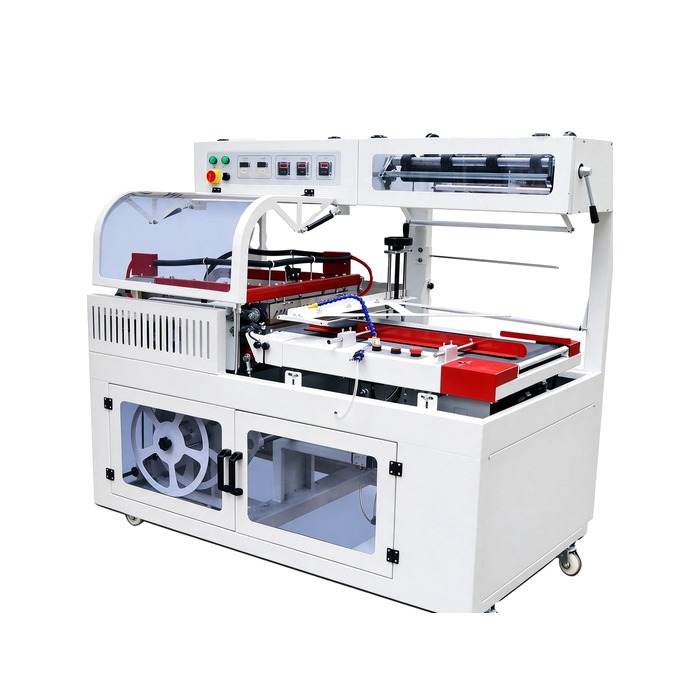
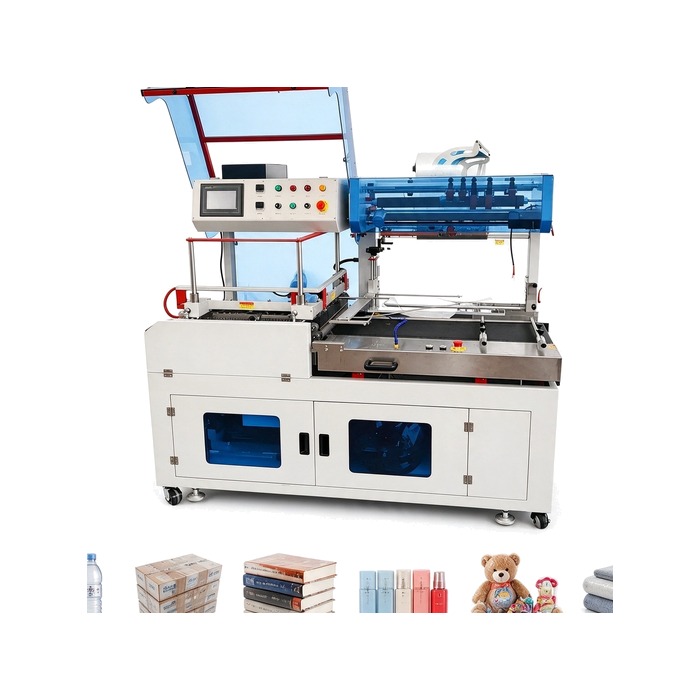
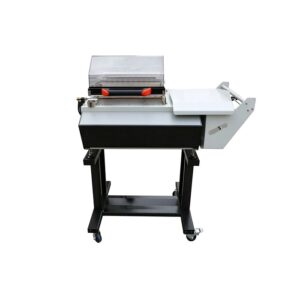
The sealer works with one L-shaped bar that drops across both sides of the film at once, cutting and sealing the trailing edge of one pack and the leading edge of the next in a single stroke. You set the product into a folded film web or over a sealing pad, square it against the bar, and press for one to two seconds. After a pass through heat – a bench chamber, a heat gun at very low volume, or a compact tunnel – the pack leaves as a sealed O-shape. The appeal of an l bar shrink wrap table top machine is exactly that: one motion doing the work of two seals.
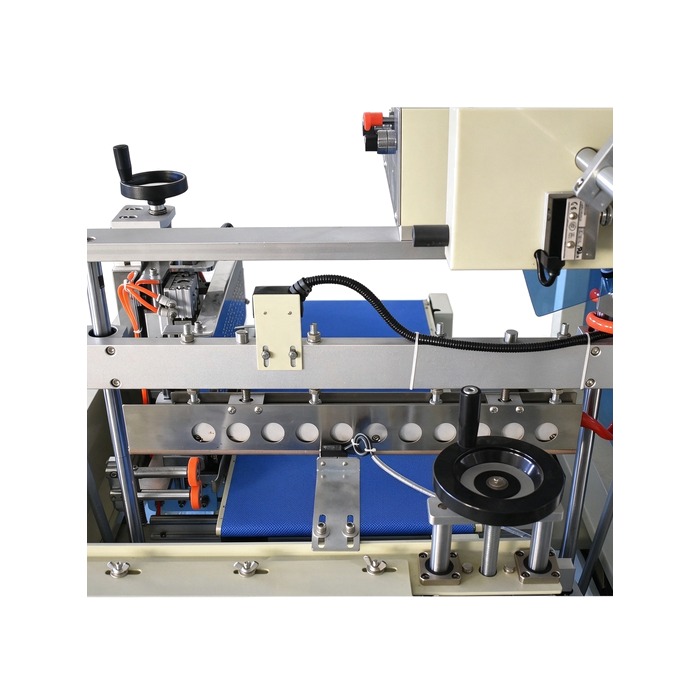
Two build details decide whether the seal stays clean after months of bench duty. Impulse bars heat a resistance wire under PTFE glass cloth only while the foot is pressed, so they stay cool between cycles and handle POF film down to 15 microns. Constant-heat wires run hot continuously, suit heavier PVC, and demand careful dwell timing. The seal wire itself is a consumable on either design – inspect it weekly, and on a well-built l bar shrink wrap table top machine a replacement takes under five minutes with hand tools. Keep two spare wires and a roll of PTFE tape in the bench drawer, because a torn cloth wrap is the most common cause of a sticking seal.
Sizing the L-Bar to Your Pack Envelope
Sizing errors are the most expensive mistake in this category, and they matter more on an l bar shrink wrap table top machine than on floor equipment because bench seal bars cannot be extended later. The rule: each leg of the L must exceed your pack width and length by at least 50 mm, because the bar seals and cuts simultaneously and needs travel beyond the film fold. A 400 x 300 mm carton needs roughly a 450 mm leg on the sealing side plus pad depth for the film tent. Order a bar too short and every pack becomes a two-step seal with a weak corner; order one too long and you waste bench space and film on every cycle.
Common Mis-Sizing Mistakes on an L Bar Shrink Wrap Table Top Machine
These mistakes repeat across nearly every buyer of an l bar shrink wrap table top machine, so audit your order against the table below. Measure the packed film envelope, not the bare product:
| Pack envelope (L x W) |
Minimum seal leg |
Minimum film width |
Typical bench format |
| 250 x 150 mm |
300 mm |
300 mm |
Compact chamber |
| 300 x 200 mm |
350 mm |
350 mm |
Bench L-sealer + mini tunnel |
| 400 x 300 mm |
450 mm |
450 mm |
Bench L-sealer + mini tunnel |
| 450 x 350 mm |
500 mm |
500 mm |
Larger bench or floor unit |
| 500 x 400 mm |
550 mm or more |
550 mm or more |
Step up to floor equipment |
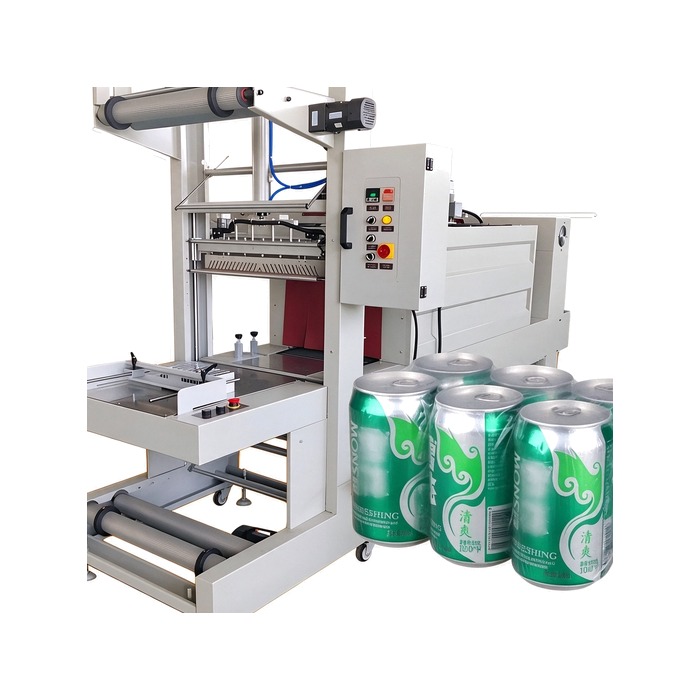
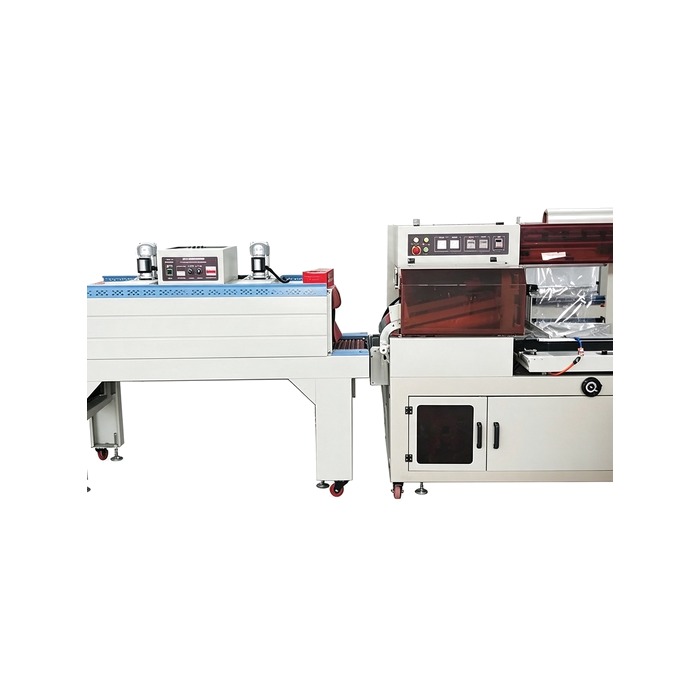
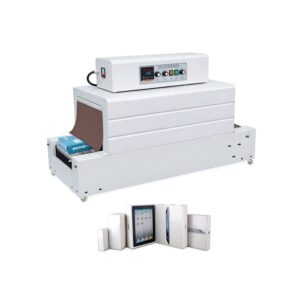
After sizing comes the shrink method. Below roughly 10 packs per minute, a bench chamber after the sealer keeps things simple; beyond that, a compact tunnel holds shrink quality even when duty is continuous. An l bar shrink wrap table top machine only pays off when its seal size covers your largest pack envelope with margin, so overlay your biggest carton on the published seal dimensions before deciding, and confirm the film width your supplier stocks in that size, since odd widths cost more and arrive slower. Our L-bar sealer and shrink chamber combinations page lists seal sizes, pad dimensions, and chamber clearances for each model.
When to Step Up From an L Bar Shrink Wrap Table Top Machine
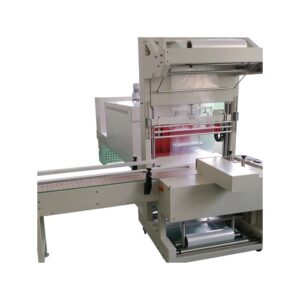
Bench L-bar setups are honest workers up to roughly 10-12 packs per minute with one operator feeding, sealing, and transferring. Past that point the constraint is human ergonomics rather than the machine: constant pressing and pack transfer slows across a full shift, and output drops sharply after the second hour of continuous work as dwell timing gets lazy. That is the moment to look at a fully automatic L-sealer with an integrated shrink chamber or an inline sealer-plus-tunnel line, where film feed, sealing, and discharge run without per-pack labor.
Signs Your L Bar Shrink Wrap Table Top Machine Is at Its Limit
- Queues form at the bench even with an experienced operator.
- The largest pack barely fits inside the seal legs, leaving ragged corners.
- Seal wires wear out faster than monthly, a sign of over-duty.
When two or more of those signs appear, price the upgrade against the labor hours you are losing rather than the machine sticker alone; that conversation goes better with real hourly numbers than with estimates. SWM Machines builds benchtop L-bar units and the automatic lines that replace them – send us your pack sizes and hourly volume, and we will tell you plainly whether an l bar shrink wrap table top machine still fits your line or whether it is time to move up.
Related Articles
Looking for a Reliable Shrink Wrap Machine Manufacturer?
Work with our in-house manufacturing and industry experts