How to Size an L Bar Shrink Wrap Table Top Machine Without Mis-Ordering the Seal Bar
How an l bar shrink wrap table top machine seals, how to size the L-bar to your pack envelope, and the mis-sizing mistakes that cost buyers real money.

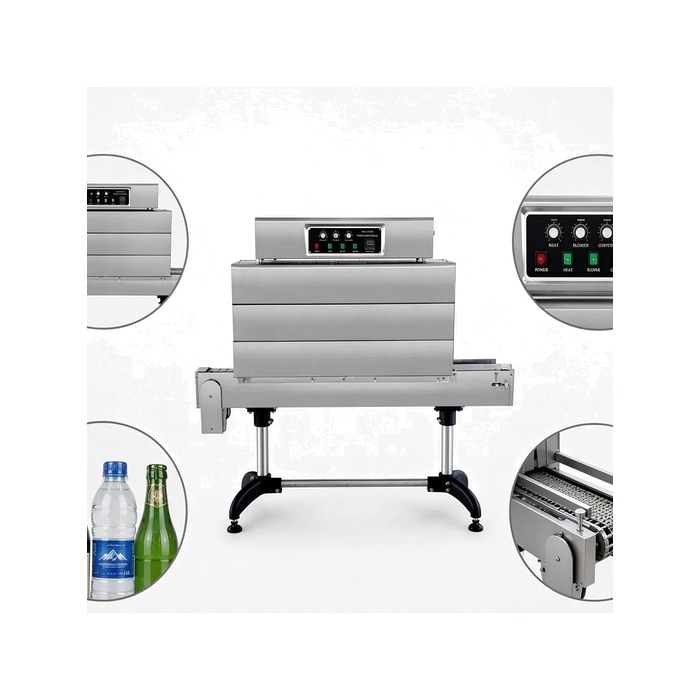
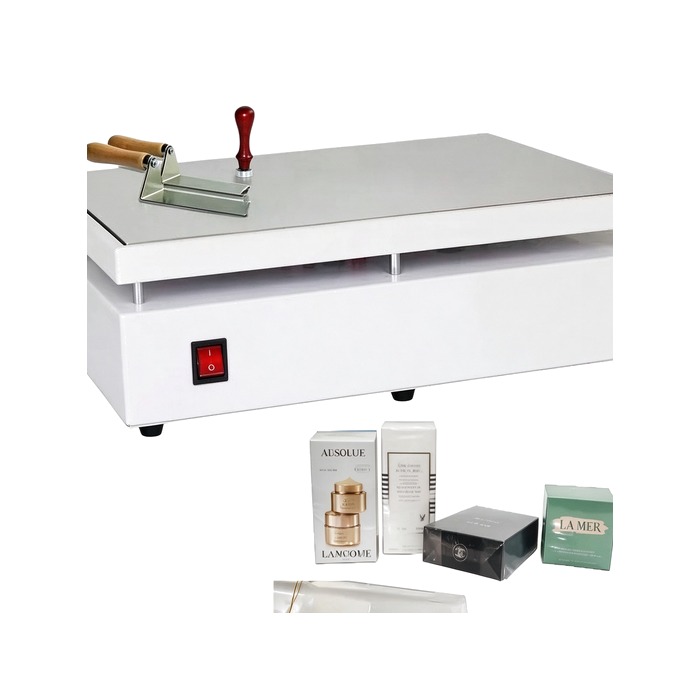
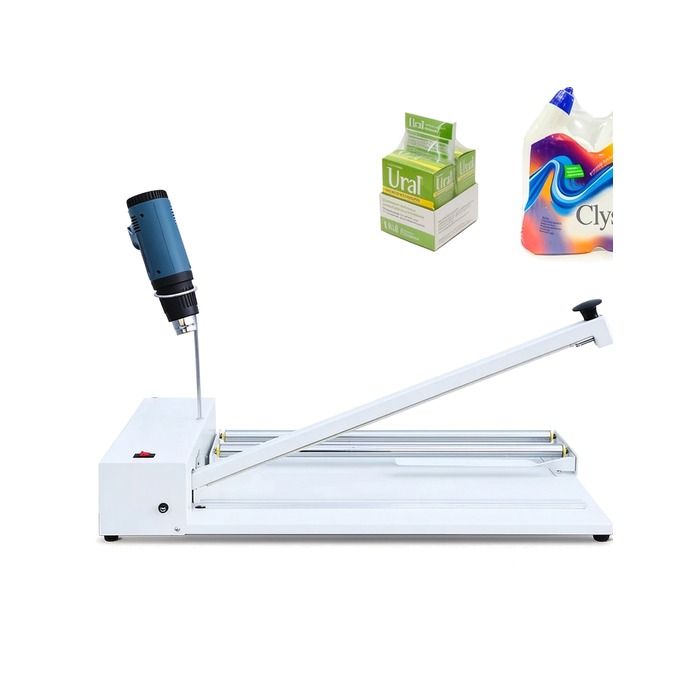
A table top shrink wrap machine is any sealer or chamber unit built to run on a standard workbench rather than on its own floor-standing frame. In practice the category covers three formats: manual L-bar impulse sealers that seal only and rely on a heat gun or small chamber for shrinking; benchtop shrink chambers that seal and shrink in one hood cycle; and paired units combining a bench L-sealer with a compact tunnel on a shared stand. What they share is a footprint near one meter of bench and a power draw an ordinary wall outlet can carry. The distinction matters because the formats behave differently in daily use, and catalog listings often blur them together.
The category fits workshops, e-commerce packing benches, laboratories, bakeries, and print shops – anywhere volume runs from a few packs a day to a few hundred and pack sizes change constantly. If a single operator wraps at the same bench where they label or assemble, benchtop equipment is usually the right first machine. If orders exceed roughly 150 packs per day on uniform SKUs, a floor line pays for itself quickly, so choosing the right table top shrink wrap machine starts with honest volume math, not catalog browsing.
Match the seal type to your film before comparing anything else on a table top shrink wrap machine. Impulse L-bars seal polyolefin and PVC cleanly in one to two seconds and need no warm-up, which is why they dominate manual bench work. Chamber machines add a shrink hood that pulls film tight in a 10-20 second cycle and accepts packs up to roughly 300 mm tall depending on the hood. The limiting factors are always pack size and duty cycle: bench seal bars run 300-450 mm, chambers rarely take packs over 400 mm long, and continuous running heats smaller transformers faster than floor machines handle.
The table below compares the three benchtop formats on the specifications that actually decide purchases.
| Spec | Manual L-bar sealer | Bench shrink chamber | Bench L-sealer + mini tunnel |
|---|---|---|---|
| Typical seal size | 300-450 mm legs | 300-450 mm legs | 400-600 mm legs |
| Packs per minute | 4-8 seal-only | 2-4 full cycles | 6-10 with tunnel |
| Shrink method | Heat gun or separate chamber | Built-in hood cycle | Compact tunnel |
| Film types | POF and PVC | POF primarily | POF and PE for heavier packs |
| Best fit | Lowest volume, irregular packs | Mixed sizes, tidy finish | Steadier daily volume |
Whichever format you shortlist, check three things in the manual: whether the seal wire is user-replaceable in minutes, whether the film carriage takes your roll width without adapters, and whether hood or tunnel temperature adjusts for switching between 15-micron POF and heavier film. Our benchtop shrink wrap machines page lists those details model by model. Note that a table top shrink wrap machine with a chamber trades speed for simplicity – one button, one cycle – while a sealer-plus-tunnel pair keeps throughput steadier across a full shift. Either choice is legitimate; what matters is matching the format to shift length rather than to peak bursts, and to whoever will run it.
Measure first, browse second. Write down your widest pack plus 50 mm of seal margin, your tallest pack plus film slack, and your peak packs per hour, then confirm the machine beats each number with room to spare, because benchtop equipment carries little reserve capacity and cannot be upgraded later.
A table top shrink wrap machine earns its bench space by being simple to run and quick to service; hold any supplier to both standards. Consumables and seal wires are the real running cost of any bench machine. Ask how the seal wire is changed, whether the film carriage accepts your roll width without adapters, and where consumables ship from. Send SWM Machines your pack dimensions and daily volume, and we will recommend the benchtop format that fits – and tell you plainly when your volume has outgrown the bench.

How an l bar shrink wrap table top machine seals, how to size the L-bar to your pack envelope, and the mis-sizing mistakes that cost buyers real money.

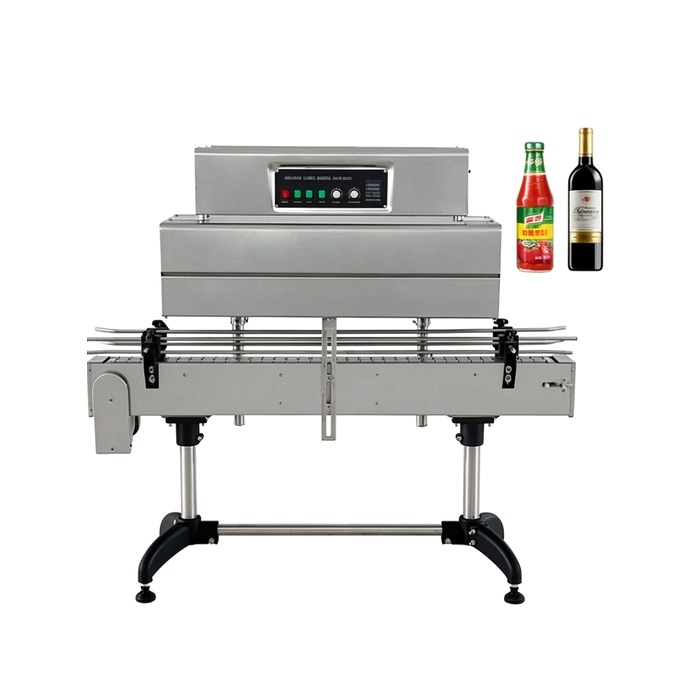
What a table top shrink wrap machine can and cannot do: bench formats compared, seal types explained, cycle limits, and a buying checklist for small lines.
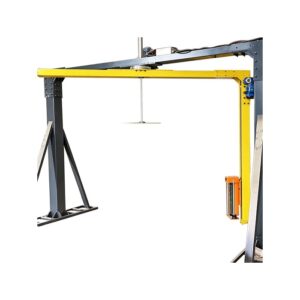
Shrink wrapping machines benefits industrial manufacturers can quantify: fewer damage claims, unitized pallets, less film waste, and printed-film branding.
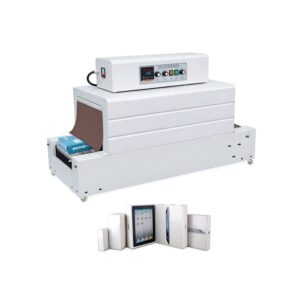
Spotting the best shrink wrapping machine manufacturers comes down to engineering depth, spares stocking, documentation, and export experience.
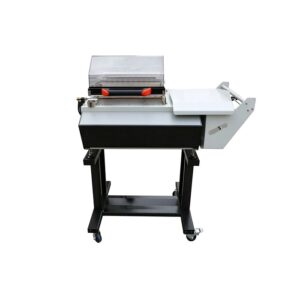
The best small shrink wrap machine for a growing packing bench: compare footprint, film changeover speed, and cycle rates before you order equipment.
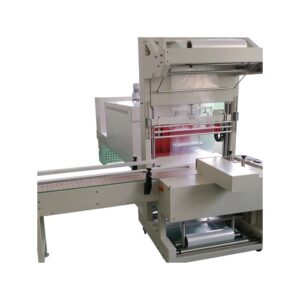
The best shrink wrap machine for food puts film grade, washdown design and seal quality first. See what meat, produce and bakery lines need.
WhatsApp us
Our specialists will get back to you within a few minutes