How to Choose the Best Shrink Wrap Machine for Food Safety and Shelf Appeal
What Best Shrink Wrap Machine for Food Actually Means
In food packaging, best does not mean fastest or cheapest; it means the machine that protects the product, survives the environment, and keeps the film food-contact appropriate from roll to sealed pack. The best shrink wrap machine for food is judged on three things first: whether it runs FDA-grade film cleanly, whether its construction tolerates washdowns and cold rooms, and whether the seal it produces holds through refrigeration, freezing, and transport. Speed only matters once those three are settled.
The search usually starts with a product category. Fresh meat and poultry trays, produce clamshell overwrap, bakery goods, frozen foods, and dairy each stress a shrink system differently: meat needs a leak-resistant tight wrap and corrosion-resistant frames, produce needs breathability decisions made at the film level, and bakery needs gentle heat so frosting and crust survive the tunnel. Understanding your category before you shop is what makes the best shrink wrap machine for food a definable target instead of a matter of taste.
Film, Seals and Washdown in the Best Shrink Wrap Machine for Food
Start with film, because food regulators and buyers both look there. Multi-layer polyolefin (POF) film is the default for direct food contact, and the machine must hold a consistent temperature window, roughly 250 to 300 F for most POF, without cooking the product through the film. Seal quality is the second pillar: a food pack fails in the field when a corner seal leaks, so flat-wire or crimp seals that stay consistent at line speed matter more than any other single feature on the spec sheet.
Washdown and environment are the third pillar. Frames near mixers, slicers, or cleaning hoses want stainless contact surfaces, sealed electrical enclosures, and belt materials that tolerate sanitizer, and cold-room installations need components rated for the condensation that forms when a machine moves between temperatures. Every one of these choices shapes what the best shrink wrap machine for food looks like in your plant, and none of them show up in a speed comparison.
Why Tray Packs Judge the Best Shrink Wrap Machine for Food Hardest
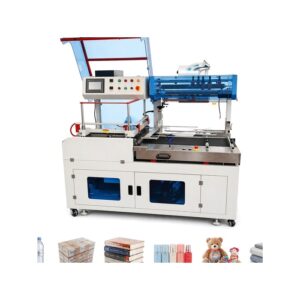
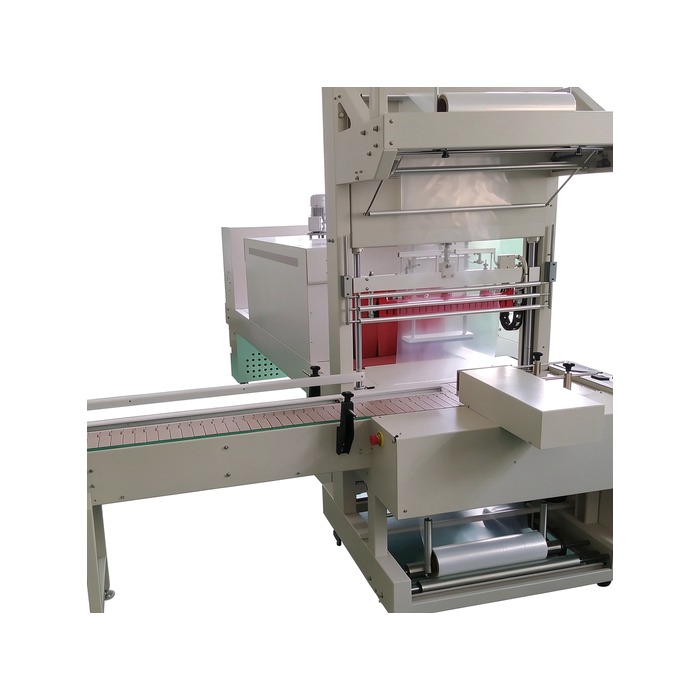
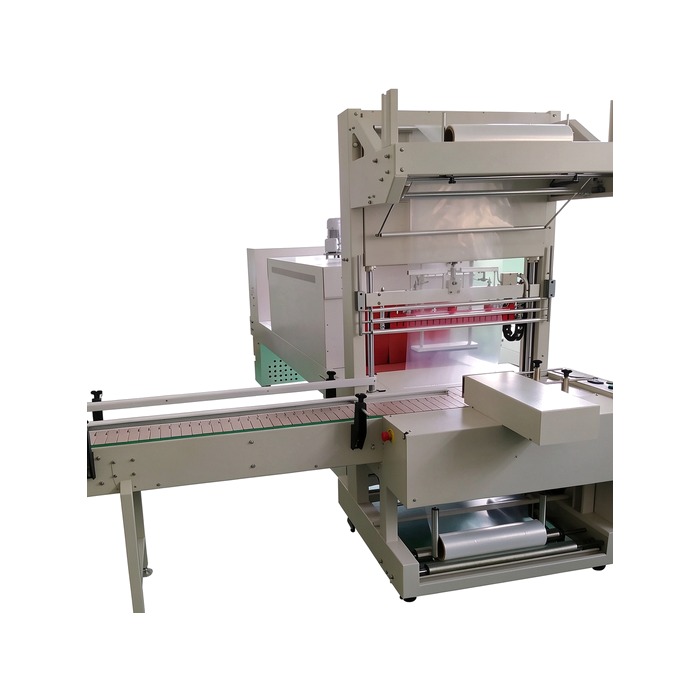
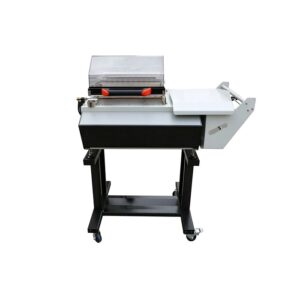
Tray-based food lines have their own pattern. A tray shrink wrapping machine seals film over a loaded tray, pulls the package tight in the tunnel, and leaves a presentable, leak-contained pack for the shelf; it is the workhorse pattern for fresh meat, cut produce, and tray-packed bakery. The best shrink wrap machine for food in these categories is usually judged at the seal edge first, because a tray pack that weeps or loosens in the dairy case comes back with a complaint attached.
| Food application |
Typical film |
Key requirement |
Machine fit |
| Fresh meat and poultry trays |
Barrier POF or PE |
Leak-tight seals, washdown frame |
Tray seal plus shrink tunnel |
| Cut produce and salads |
Breathable POF |
Gentle heat, precise vents |
Chamber or tray machine |
| Bakery and pastries |
Thin POF 45 to 60 gauge |
Low-temperature soft shrink |
Chamber machine, small tunnel |
| Frozen foods |
PE or heavy POF |
Cold-crack resistance, strong seals |
Tunnel with reliable dwell control |
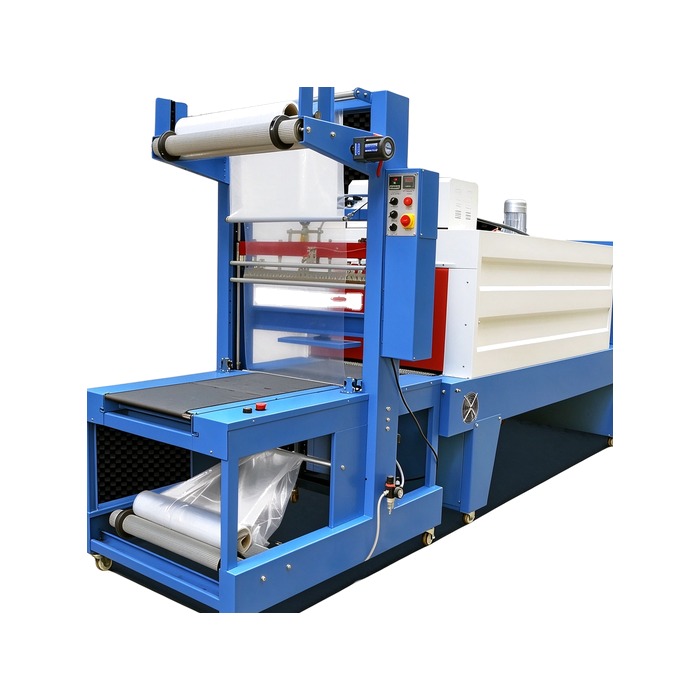
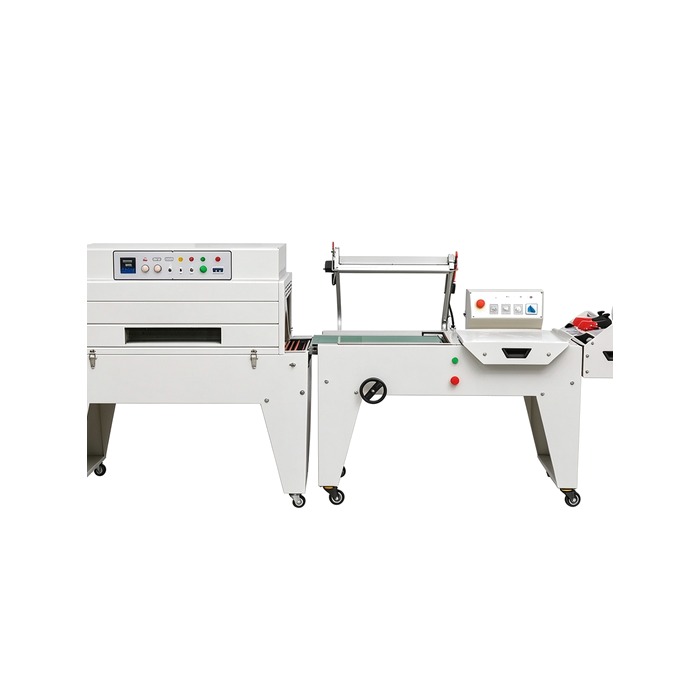
For a concrete example of this pattern, the tray shrink wrapping machine listing shows the seal-and-tunnel arrangement most meat, produce, and bakery lines start with, including the film gauges it runs.
Building the Food-Safe Shortlist
Apply the three pillars in order and the field narrows fast. Eliminate machines that cannot state a food-grade film range, then eliminate anything whose frame and electricals would not survive your cleaning routine, then compare the survivors on seal consistency at your target rate. What is left is a short, defensible list, and the best shrink wrap machine for food on it is simply the one whose worst-case pack, your leakiest tray, your frostiest freezer item, still seals clean.
Spec Questions for the Best Shrink Wrap Machine for Food
Bring these questions to any supplier and the answers will sort real food equipment from repackaged generic machines:
- Which film gauges and brands are validated for direct food contact on this machine?
- What seal consistency do you guarantee at my target packs per minute?
- Which surfaces and electricals tolerate washdown or sanitizer spray?
- How does the tunnel handle cold product straight from the chiller?
- What is the changeover time between tray sizes with one operator?
Send SWM Machines your product category, tray dimensions, and target rate, and we will recommend the best shrink wrap machine for food on your shortlist, or tell you honestly if none of them fit your line yet. Food packaging leaves no room for a wrong machine, so the sizing conversation is worth having before any purchase order goes out.
Related Articles
Looking for a Reliable Shrink Wrap Machine Manufacturer?
Work with our in-house manufacturing and industry experts