The Semi Automatic Shrink Wrapping Machine Price Explained: What You Pay For and What You Skip
Where the Semi Automatic Shrink Wrapping Machine Price Sits
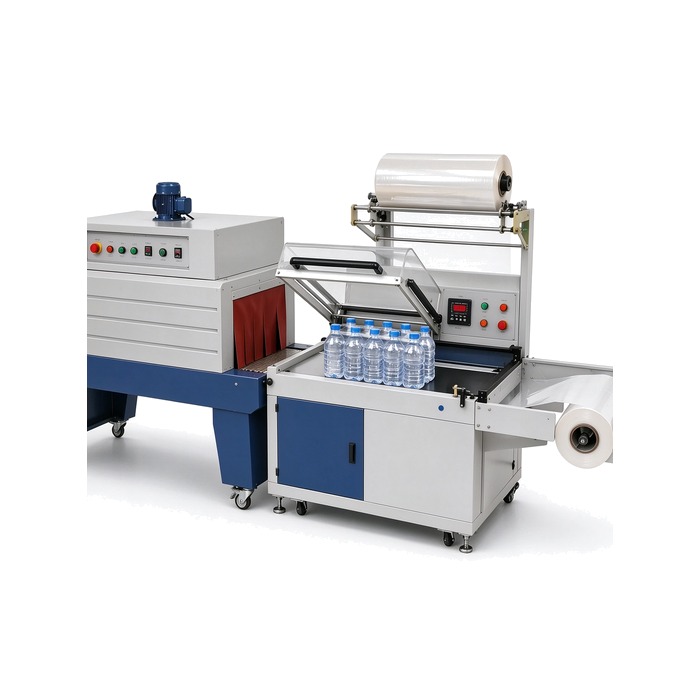
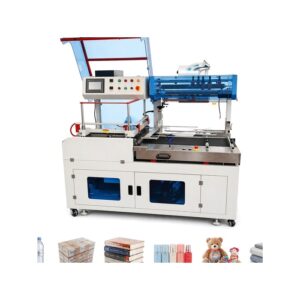
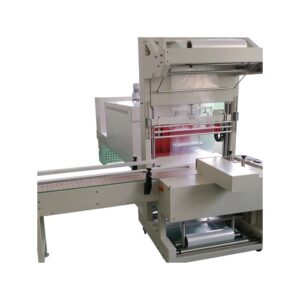
The middle tier of shrink packaging equipment is where most growing companies land, and for good reason. In a semi automatic machine the operator loads the product and initiates or assists the seal, while the machine handles film advance, conveying, and shrinking. The result is a semi automatic shrink wrapping machine price that sits well below a fully automatic line yet delivers throughput and shrink consistency that no chamber machine on a bench can match.
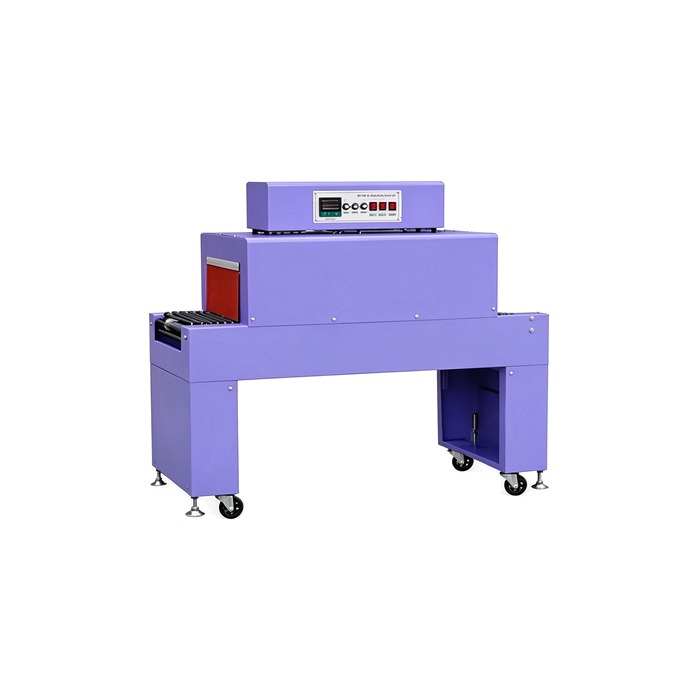
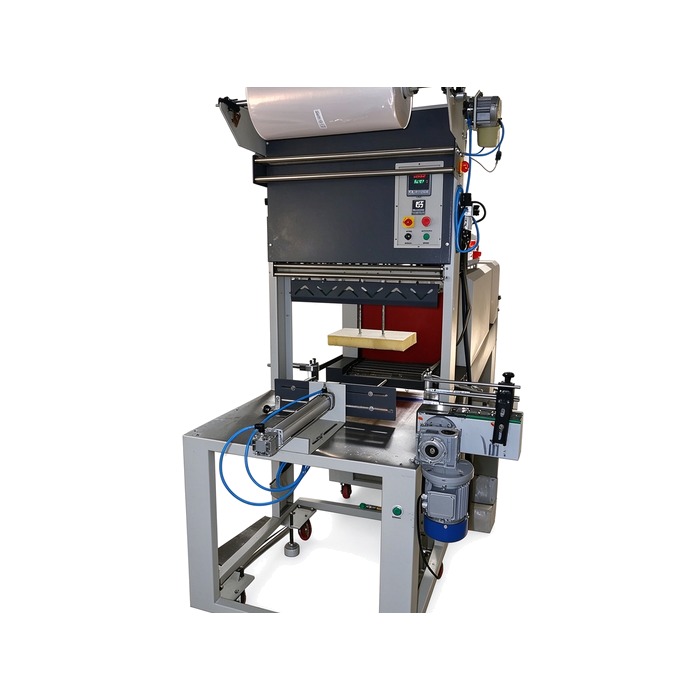
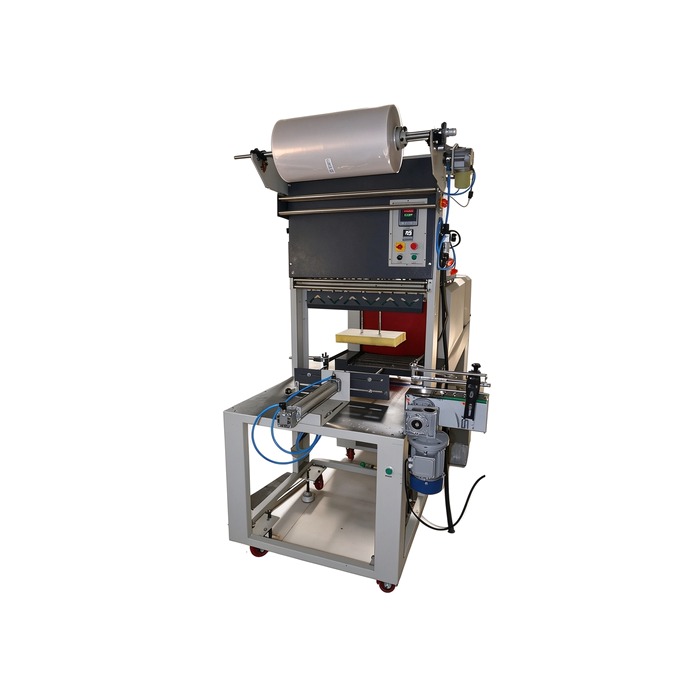
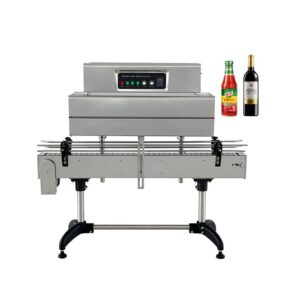
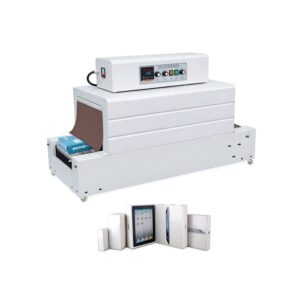
What you are paying for at this tier is a real production architecture: a powered sealing head sized for your product range, a conveyor-fed shrink tunnel with matched heater wattage, and controls that hold seal temperature steady through a shift. Film spend also behaves better than on entry-level equipment, because consistent seals and even tunnels waste far less material than units that need constant operator correction. That hardware, not marketing, is what the semi automatic shrink wrapping machine price is made of.
The Labor a Semi Automatic Shrink Wrapping Machine Price Leaves on Your Payroll
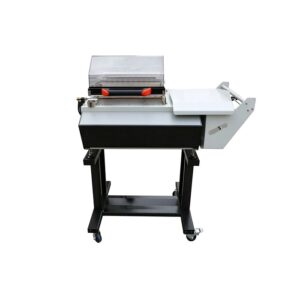
Honesty about the labor side matters when you compare tiers. On a typical semi automatic L-sealer, one person feeds products onto the infeed, the sealing cycle runs at a set pace, and a second person — or the same person on slower products — takes packs off the discharge. Realistic output for larger products runs roughly ten to twenty-five packs per minute depending on size and operator rhythm. That labor line is the fundamental trade the tier represents: you supply the hands, the machine supplies the consistency.
What the Semi Automatic Shrink Wrapping Machine Price Buys — and What It Does Not
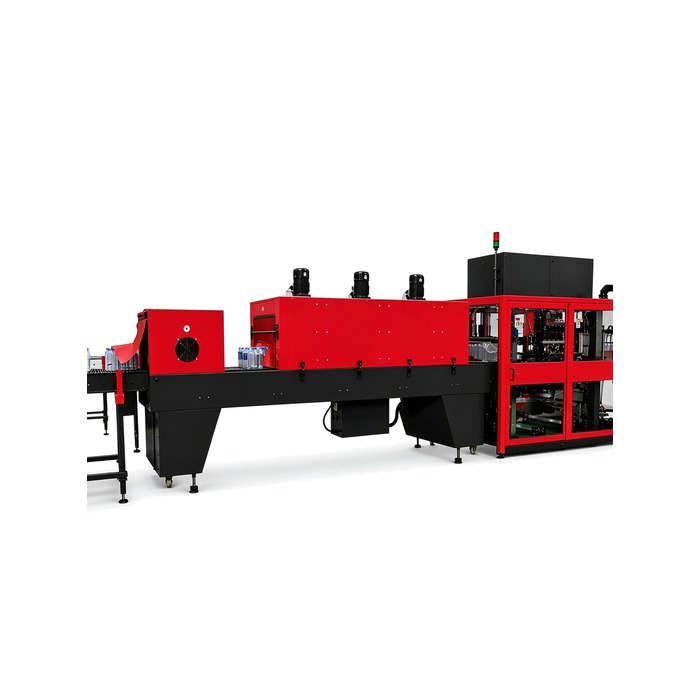
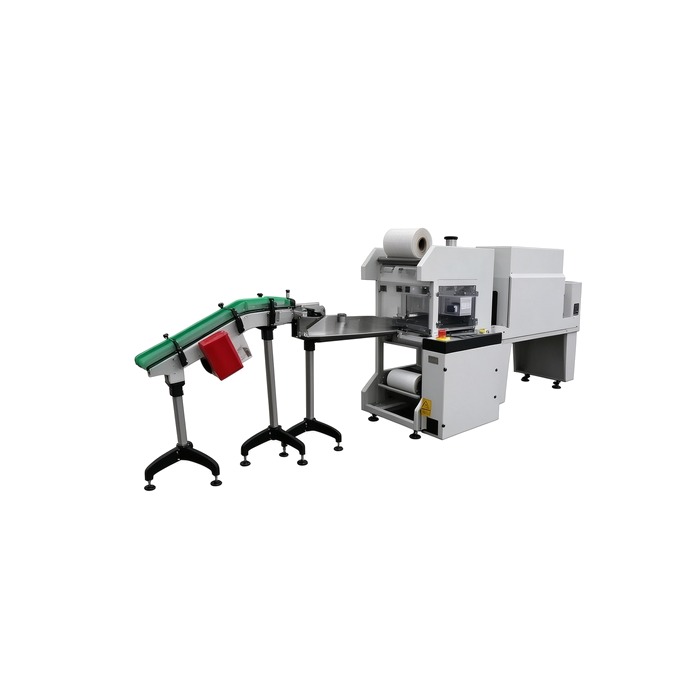
Against a chamber machine you gain continuous flow, better seals on bigger products, and a tunnel that shrinks evenly instead of in bursts. Against a fully automatic line you give up unattended operation, top-end speed, and the labor saving that comes with them. The semi automatic shrink wrapping machine price reflects exactly that middle position: production-grade sealing and shrinking hardware, minus the servo and synchronization systems that let a machine run itself.
| Attribute |
Semi automatic |
Fully automatic |
| Loading |
Operator feeds each product |
Automatic infeed and collation |
| Typical output |
About 10–25 packs per minute |
About 30–60+ packs per minute |
| Labor per shift |
One to two operators |
Supervision only |
| Changeover |
Hand adjustment, minutes to tens of minutes |
Recipe selection on the HMI |
| Controls |
Temperature and speed settings |
PLC with servo coordination |
The give-ups are real but predictable: you will always carry a labor cost per pack, your peak speed is capped by operator rhythm, and output dips when the person at the infeed changes. None of those weaknesses appear on day one — they appear as volume grows, which is why the right question is not only what the semi automatic shrink wrapping machine price is today, but how long this tier will comfortably serve your order book.
When you reach that comparison stage, a well-built semi automatic shrink wrapping machine should be quoted against your specific products, because the tier’s value depends heavily on pack size mix and seal dimensions rather than on any generic speed figure.
Reading a Semi Automatic Shrink Wrapping Machine Price Quote Correctly
Check that the quote states seal bar size relative to your largest product, tunnel chamber length and heater kW, conveyor speed range, and whether a magnetic product-holding or sealing-closure option is included. Two machines at similar totals can differ sharply on these lines, and those lines — not the headline number — decide whether the tier actually fits your product.
Who Should Stop at Semi Automatic — and Who Should Not
This tier fits companies with moderate and growing volume, mixed or changing product sizes, a reliable operator on each shift, and a budget that still needs to cover film, spares, and installation. It fits poorly when your bottleneck is labor cost per pack, when volumes already exceed what one or two operators can feed, or when product flow upstream is itself fully automated — in those cases the missing synchronization costs more every month than the upgrade would have.
- Your peak hour demand stays within what one or two operators can realistically feed
- Product sizes and pack formats change week to week, favoring hand changeover
- You have a trained operator available on every production shift
- Ask what the semi automatic shrink wrapping machine price includes — tunnel, sealing options, spares, and freight
- Budget must leave room for film stock and installation, not only the machine
Deciding With Real Numbers, Not Tier Labels
The semi automatic shrink wrapping machine price only means something next to your own production math: pack sizes, hourly targets, labor rates, and growth forecast. Send SWM Machines those four inputs and we will tell you plainly whether this tier fits, quote it against your actual products, and say so honestly if your volumes have already outgrown it.
Related Articles
Looking for a Reliable Shrink Wrap Machine Manufacturer?
Work with our in-house manufacturing and industry experts