How Do You Judge the Best Shrink Wrap Machine? A Practical Framework
Judging the Best Shrink Wrap Machine Starts With Five Questions
Search results will happily hand you a ranked list of machines, but a ranking written for someone else’s warehouse is close to useless in yours. A list compiled for a three-shift beverage plant cannot tell a two-person bakery anything useful, and vice versa. The best shrink wrap machine for your operation is whichever one clears five practical bars: the throughput you actually need at peak, the range of pack sizes you run, the film you can source and afford, the labor you can staff, and the floor space you can spare. A machine that wins on four bars and fails the fifth is the wrong machine, no matter how impressive the brochure looks.
This article is a framework, not a leaderboard. The best shrink wrap machine emerges when you work the five factors in order, because they cascade: throughput determines automation level, pack size range determines sealing style, film choice locks in tunnel requirements, labor decides how much changeover you can tolerate, and footprint is the constraint that trims the shortlist at the end. Buyers who reverse the order, by shopping footprints first, usually end up paying for capability they never run.
The Five Factors That Decide the Best Shrink Wrap Machine for Your Line
Put numbers against each factor before you look at a single model:
- Throughput: packages per minute at peak, not the daily average.
- Pack size range: smallest to largest, including any trays or flanges.
- Film: POF for presentation, PVC for economy, PE for heavy bundles.
- Labor: how many operators you can commit, and their skill level.
- Footprint: floor space, ceiling height, and forklift or conveyor access.
Weigh these honestly and the best shrink wrap machine for your line usually identifies itself before a salesperson gets involved. A crew of two running thirty packs a minute needs a very different answer than a three-shift plant chasing two hundred. Write the five numbers down and keep them visible through every demonstration, because demo-floor enthusiasm has a way of shifting attention away from the factor that will actually disqualify a machine at two in the morning.
The Best Shrink Wrap Machine Type for Four Common Scenarios
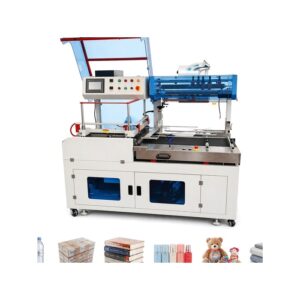
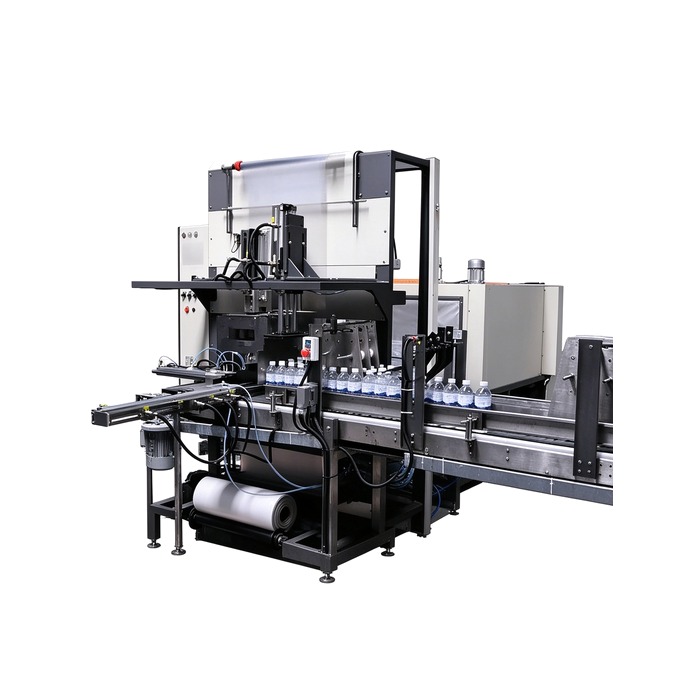
Four patterns cover most packaging floors. A startup shipping mixed-size boxes by hand fits a semi-automatic L-sealer with a small chamber or entry tunnel. Trays of bakery goods or produce want a chamber or tray-style machine that seals all four edges in one motion. Growing fulfillment volume, past roughly forty packages a minute, points to an automatic side-seal line with a matching tunnel, since side seals eliminate the height limit a sealing bar imposes. Industrial multipacks of bottles or cans belong on a sleeve wrapper running polyethylene through a high-wattage tunnel. The best shrink wrap machine in each scenario is different, which is exactly why generic rankings mislead.
| Scenario |
Typical rate |
Pack pattern |
Type that usually wins |
| Startup ecommerce parcels |
5 to 15 per minute |
Mixed cartons |
Semi-auto L-sealer plus entry tunnel |
| Bakery and produce trays |
10 to 25 per minute |
Uniform trays |
Tray-style chamber machine |
| Scaled fulfillment lines |
40 to 120 per minute |
Narrow size range |
Automatic side seal plus tunnel |
| Beverage and can bundles |
15 to 40 bundles per minute |
Loose multipacks |
Sleeve wrapper with PE film |
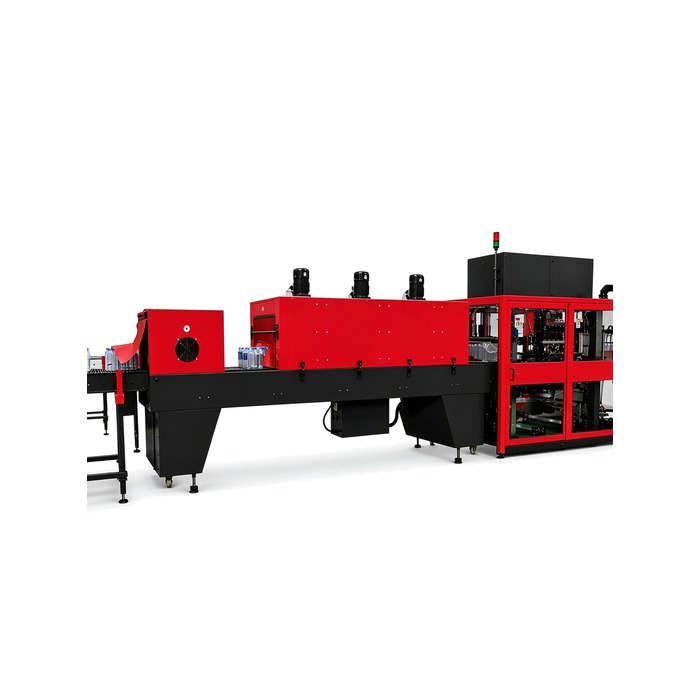
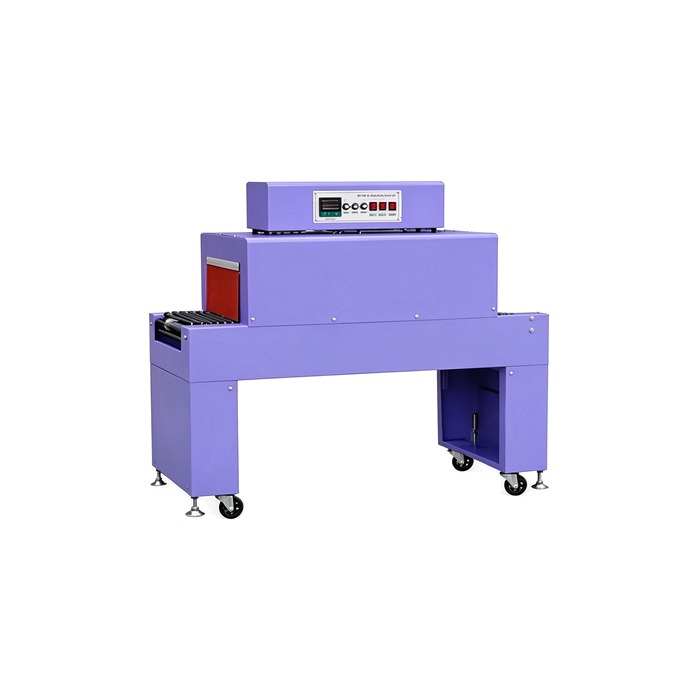
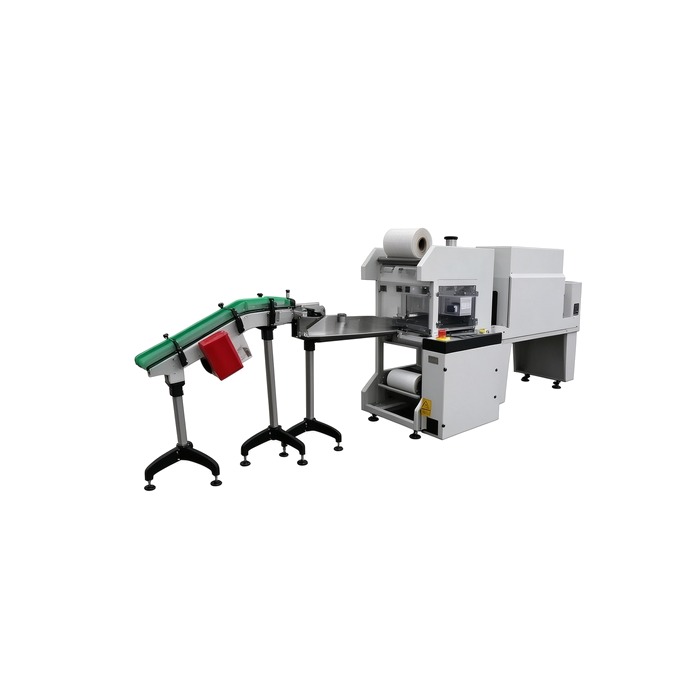
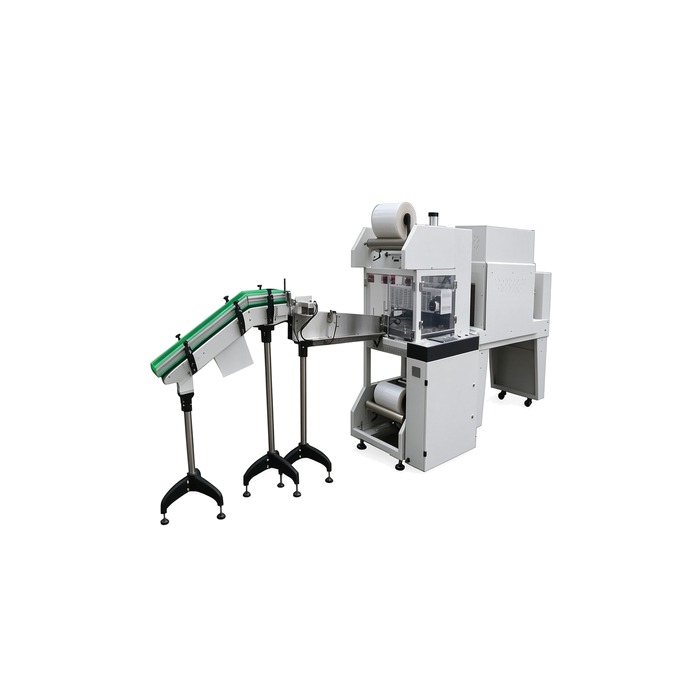
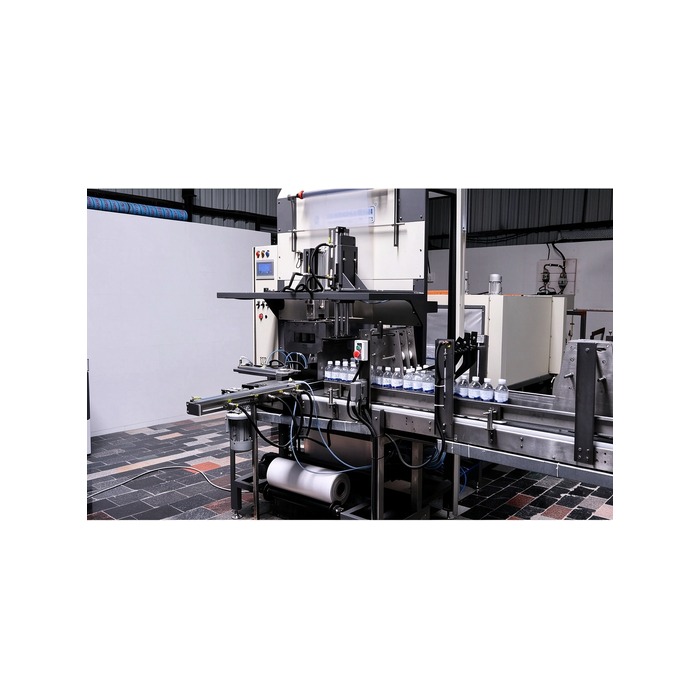
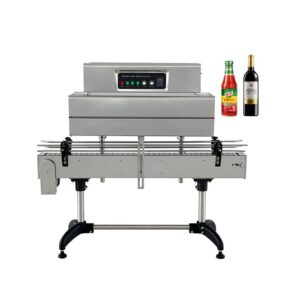
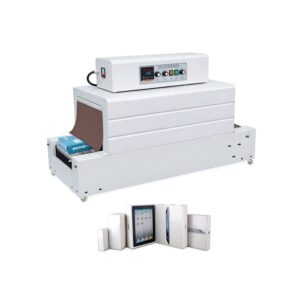
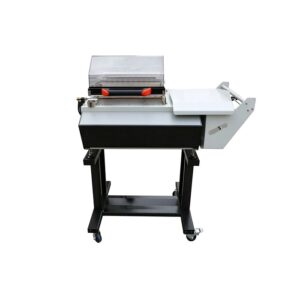
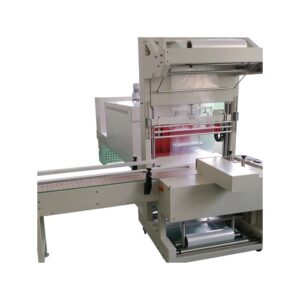
When you want to see how these categories translate into actual equipment, the shrink wrap machine lineup page groups machines by sealing style and automation level, which maps neatly onto the four scenarios above.
Turning the Framework Into a Decision
Once the five factors point at a machine type, test the shortlist against your worst case rather than your average day. Run your largest pack, your thinnest film, and your fastest target rate through each candidate’s published specifications, and disqualify anything that clears the average but fails the peak. This is where the best shrink wrap machine separates from the merely good one: the good one looks right on paper, the right one still holds its seal quality and cycle time on your ugliest SKU, after eight hours of running and with the film roll nearly empty.
Trialing the Best Shrink Wrap Machine Before You Buy
Ask suppliers to run your actual product and film on the candidate machine, whether in person or on video with your samples in frame. Watch three things: seal integrity at full speed, shrink quality on the largest and smallest packs, and how long a size change actually takes with one operator doing the work alone. Bring your own film to the trial, because a supplier’s premium roll can flatter a machine your warehouse stock will not. The best shrink wrap machine is the one that survives that trial with no asterisks, and most suppliers who are confident in their equipment will offer it without being pressed twice.
If you want a second opinion on your five-factor answers, send your pack dimensions, film, and rate target to SWM Machines. We will tell you which machine category fits, and just as importantly, which one does not.
Related Articles
Looking for a Reliable Shrink Wrap Machine Manufacturer?
Work with our in-house manufacturing and industry experts