How to Pick the Best Small Shrink Wrap Machine for a Compact Packing Bench
What Makes the Best Small Shrink Wrap Machine Different From a Full Line?
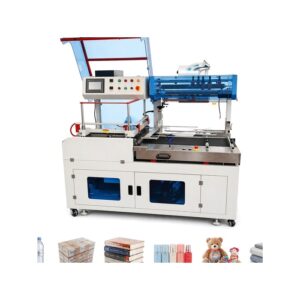
Most buyers searching for a best small shrink wrap machine are not hobbyists. They run a growing e-commerce brand, a laboratory shipping sample kits, or a light assembly shop packing a few hundred cartons a day. The problem is not wrapping difficulty; it is space. A full inline L-sealer with a shrink tunnel can occupy three to five meters of wall length plus operator clearance, while a compact benchtop setup fits inside roughly one meter including the cooling area. Choosing well means matching footprint to daily volume instead of buying capacity you will never run. The good news is that compact equipment has matured, and the gaps that once forced small buyers onto floor lines have mostly closed.
Three traits separate a genuinely good compact machine from a merely small one. First, footprint per pack: measure your longest carton and add at least 100 mm of seal margin on each side. Second, film changeover: on a small line you will swap between 15-micron POF and heavier 25-micron film often, so accessible rollers and a printed loading diagram save real minutes every week. Third, thermal recovery: a chamber or mini tunnel that re-heats quickly keeps cycles steady when you pack in short bursts between other tasks. A best small shrink wrap machine should tick all three, not just look small on a spec sheet.
Footprint, Cycle Rate, and Film Latitude on a Benchtop Line
Compact does not mean slow. A benchtop chamber machine handles 3-6 packs per minute with one operator, and a small L-sealer feeding a compact tunnel can reach 8-10 per minute when packs are uniform. Before comparing models, write down your peak daily volume, divide by realistic working hours, and leave 20% headroom for growth. Film latitude matters just as much: look for 200-500 mm roll width acceptance and centering without shims, because re-threading film on a cramped bench is where most wasted minutes hide.
Best Small Shrink Wrap Machine Benchmarks Worth Comparing
Use the table below as a sanity check when you read brochures; treat every number as a planning range, not a guarantee.
| Spec |
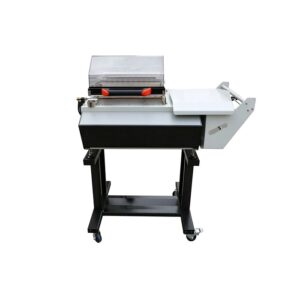
Benchtop chamber |
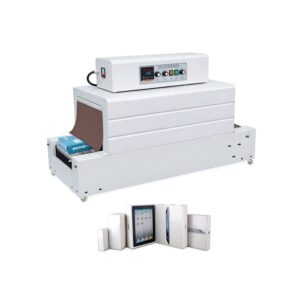
Bench L-sealer + mini tunnel |
Notes |
| Footprint (approx.) |
0.6-0.9 m bench width |
1.2-1.5 m with stand |
Chamber fits a shared bench |
| Packs per minute |
3-6 |
8-10 |
Single operator |
| Film width range |
200-400 mm |
200-500 mm |
Wider roll covers bigger cartons |
| Max pack height |
150-300 mm |
Limited by tunnel opening |
Check hood clearance first |
| Power supply |
110-220 V single phase |
220 V recommended |
Tunnels draw more heat |
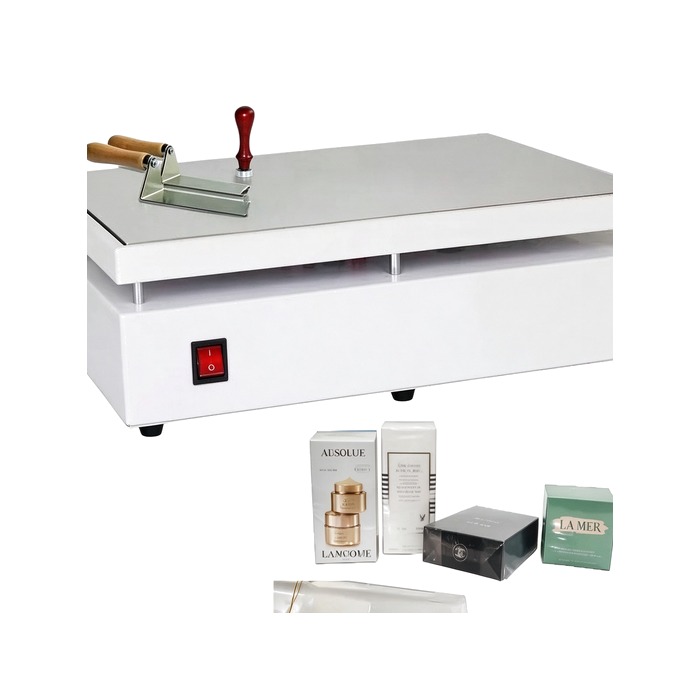
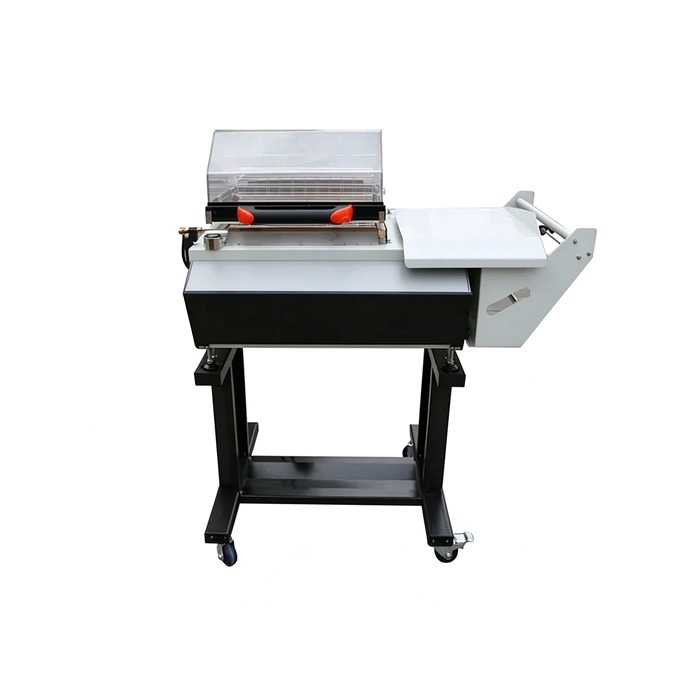
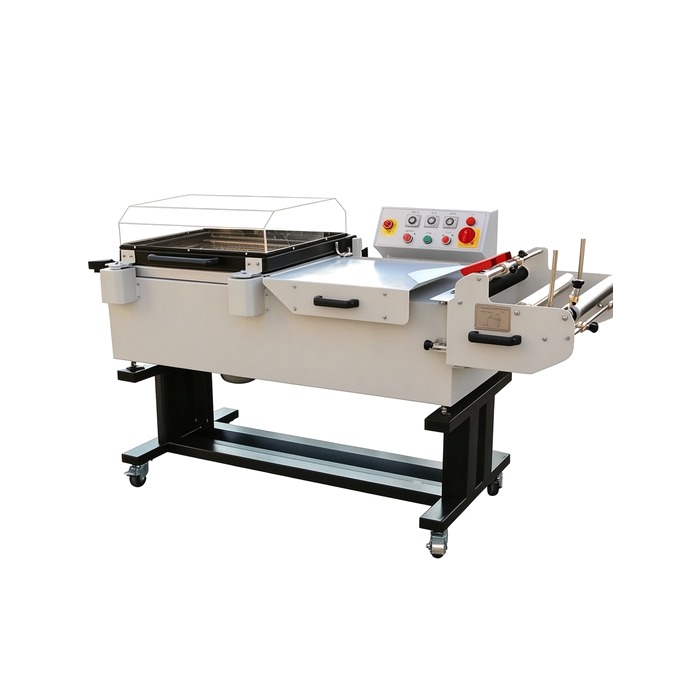
The two compact formats split along pack variety. A chamber unit is often the best small shrink wrap machine format when cartons change size hourly, because one hood cycle seals and shrinks anything that fits. A sealer-plus-mini-tunnel pair holds cycle quality steadier across a full shift when your SKUs are more uniform. Either way, the best small shrink wrap machine you choose should vent heat forward or upward with a clear answer about extraction, since a 50-square-meter shop warms up fast.
When you are ready to compare hardware, our mini shrink wrap machine page lists chamber dimensions, seal sizes, and film ranges side by side, so you can match specs against the bench space you actually have.
Where a Best Small Shrink Wrap Machine Fits – and Where It Stops
The best small shrink wrap machine earns its place when you ship under roughly 150 packs a day, run more than three carton sizes, or share one bench between wrapping, labeling, and assembly. It becomes a bottleneck when orders cluster around a few large SKUs and an operator spends more time re-threading film than sealing. The honest threshold: if one person cannot clear the morning queue in two hours, you have outgrown the bench, and a floor-standing inline line will cost less per pack than adding a second shift at the bench.
Best Small Shrink Wrap Machine Buying Checklist
Before you order, hold every candidate against this list:
- Seal bar at least 50 mm longer than your widest carton, so the film seals cleanly in one stroke.
- Chamber or tunnel clearance above your tallest box, with room for film slack.
- Consumables such as seal wires, PTFE glass cloth, and heating elements stocked for days-fast shipping.
- A written warranty with named response times, the mark of the best small shrink wrap machine suppliers.
If any of that is unclear, contact SWM Machines with your carton dimensions and daily volume – an engineer can confirm sizing within a day and quote a benchtop configuration that fits your floor rather than the other way around.
Related Articles
Looking for a Reliable Shrink Wrap Machine Manufacturer?
Work with our in-house manufacturing and industry experts