Shrink Wrap Machine for Home Use: What a Garage Workshop Actually Needs
Is a Shrink Wrap Machine for Home Use Worth the Bench Space?
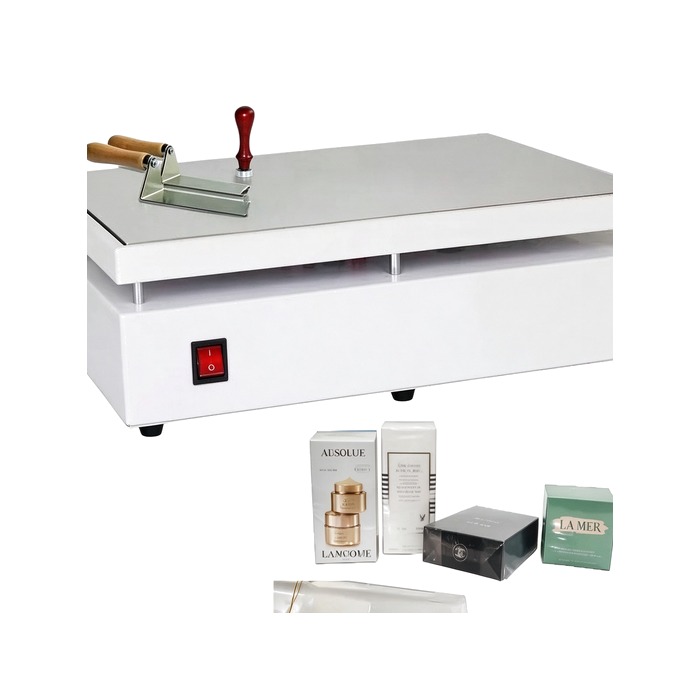
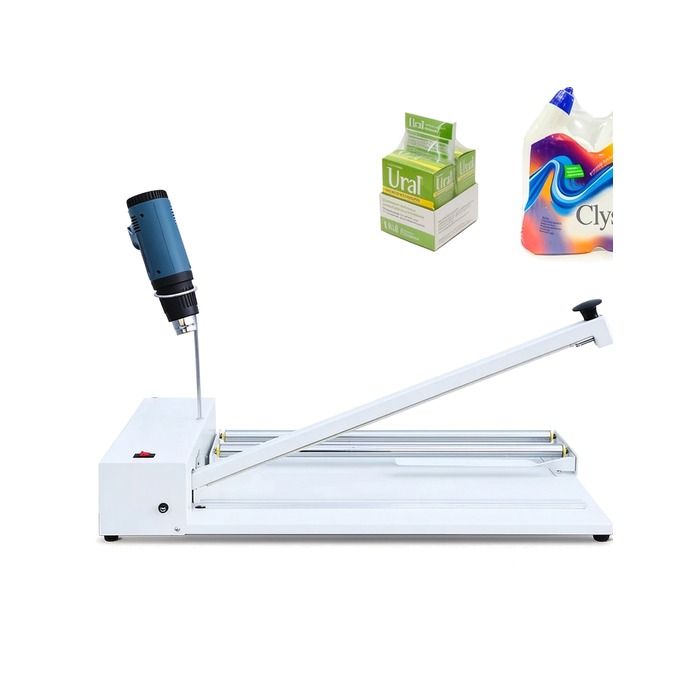
Most garage and hobby workshops already own what packaging demands: a workbench, a grounded outlet, and a shelf. What they usually lack is a realistic picture of what a shrink wrap machine for home use must do compared with a commercial line. Home volumes are modest — a few dozen soap bars, candles, board game boxes, or parts kits per week — so cycle speed, conveyor length, and footprint matter far less than reliability and easy storage. A machine that earns its footprint at fifty units a day is only worth having at home if it also stays quick to set up and just as quick to put away. Many home users get by for years with a 12 inch impulse sealer and a heat gun; that combo costs little and fits in a drawer, but it produces inconsistent seals on thicker films and turns every job into a two-hand juggling act. A compact chamber machine, by contrast, seals and shrinks in one motion, handles POF film cleanly, and finishes a small product in fifteen to thirty seconds. The right answer depends on film choice and product size more than on budget, which is why we suggest deciding the film first — usually 60 to 75 gauge POF for home projects — and then choosing equipment that seals it repeatably. Check the outlet while you are at it, because a benchtop chamber draws enough current on its heating cycle that it wants a wall socket of its own, not a shared strip with the shop vac.
What Actually Differs Between Home and Commercial Equipment
The sealing and shrinking physics are identical across our range; what changes is duty cycle, film width capacity, and how much steel surrounds the heater. A shrink wrap machine for home use does not need a 24 inch seal bar or a six-meter conveyor, but it does need a stable bench, direct power, and clearance for venting hot air. Measure your largest product and add two inches on every side before selecting a chamber or seal bar length; that one measurement prevents the most common sizing mistake we see from home buyers.
Matching a Shrink Wrap Machine for Home Use to Your Products
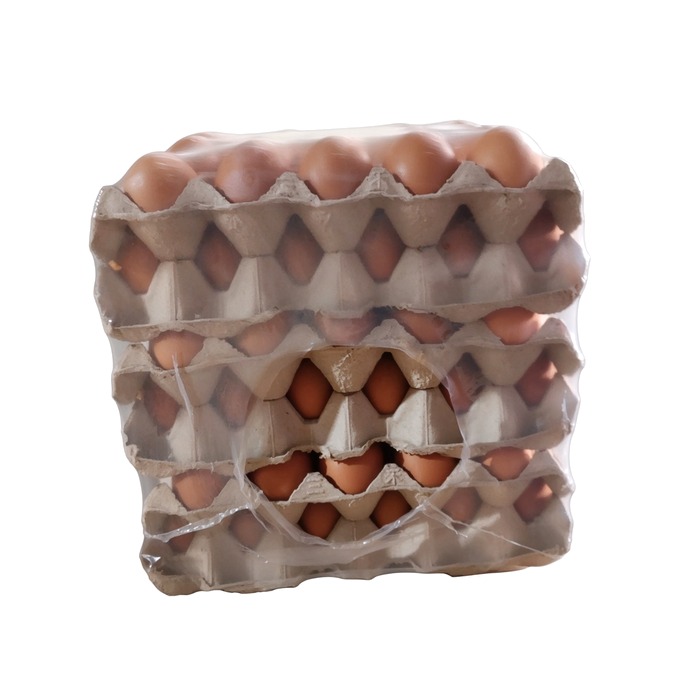
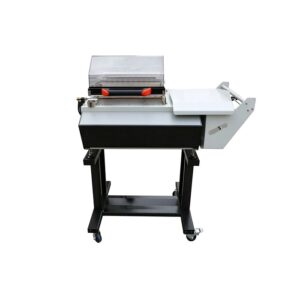
Flat items such as prints, photos, and greeting cards seal well on a simple impulse bar with a shrink hood or even a heat gun. Boxes, candles, and anything with depth do better in a chamber machine, where the product sits inside a hot air cavity and both sides shrink evenly. Bundles of multiple items — a three-pack of jars, for example — fall in between and usually need the widest chamber you can fit on the bench.
| Option |
Products it handles |
What to watch |
| Impulse sealer + heat gun |
Flat items: prints, cards, thin bags |
Cheapest and smallest, but seals vary with operator pace |
| Benchtop chamber machine |
Boxes, candles, small kits with depth |
Needs bench depth and direct power; cleanest all-around pick |
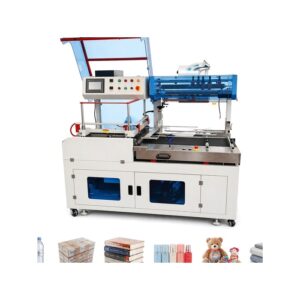
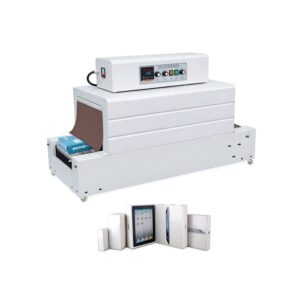
| Compact L-sealer + benchtop tunnel |
Steady runs of one or two product sizes |
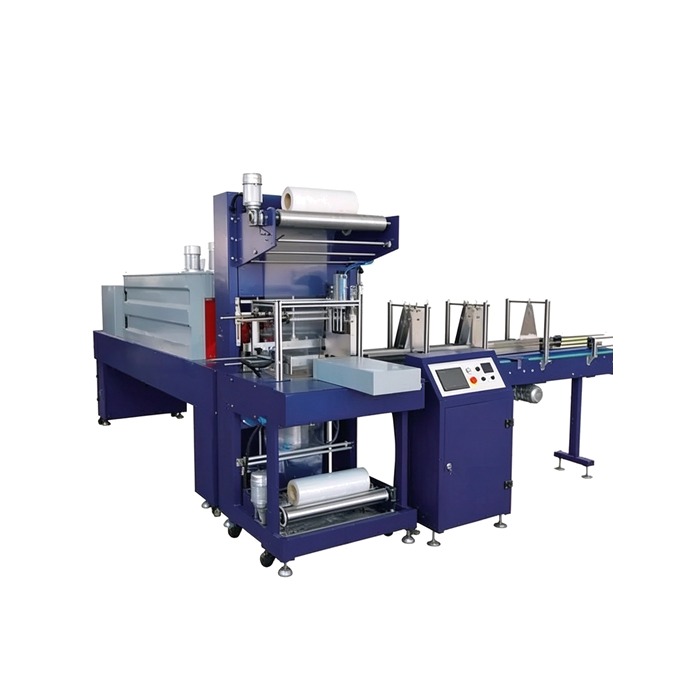
More floor space and warm-up time than most garages need |
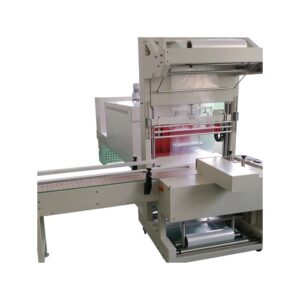
| Full commercial inline line |
Continuous production volumes |
Overkill at home scale; pays for capacity you will never run |
Film Choices That Behave Well in a Shrink Wrap Machine for Home Use
POF is the default film for home projects because it seals cleanly at moderate temperatures, stays clear after shrinking, and holds without odor concerns indoors. PVC still works on older chamber machines but smells more when heated, which matters in a room you also work in. PE suits heavier bundles but needs more heat than most benchtop units deliver. Buy rolls narrower than your seal bar and store them away from sunlight; film width is where a shrink wrap machine for home use gets oversold most often. Our compact home shrink wrap machine page lists chamber units sized for benchtop work, including accepted film widths.
Safe Operation of a Shrink Wrap Machine for Home Use
Home shops concentrate the risks: one room, one outlet strip, and sometimes curious kids or pets. Treat the machine like a soldering station — hot surfaces, dedicated power, no exceptions. None of this is complicated, but home shops fail at the basics more often than at the technique, so make the setup boring and predictable.
- Plug directly into a wall outlet; heater cycles trip cheap power strips and extension cords.
- Give a shrink wrap machine for home use a heat-tolerant surface and a foot of clearance on every ventilated side.
- Wait for the chamber or seal wire to cool before changing film or scraping residue, and keep a metal scraper for the job.
A shrink wrap machine for home use should be the smallest reliable tool that handles your largest product — nothing more. Budget for a small spares kit too: a spare seal wire and a second roll of the right film width matter more at home than an extended warranty ever will. If you are still deciding where a shrink wrap machine for home use fits on your bench, send SWM Machines your product dimensions and weekly count, and we will suggest the simplest configuration that works, with film samples to try before you commit.
Related Articles
Looking for a Reliable Shrink Wrap Machine Manufacturer?
Work with our in-house manufacturing and industry experts