How to Size an L Bar Shrink Wrap Table Top Machine Without Mis-Ordering the Seal Bar
How an l bar shrink wrap table top machine seals, how to size the L-bar to your pack envelope, and the mis-sizing mistakes that cost buyers real money.

A shrink tunnel that dies at seven on a Monday morning does not just cost a repair bill; it stops a packing line that was scheduled to ship that afternoon. Nearly every breakdown we get called out for traces to a handful of neglected items: a seal wire stretched past its useful life, a heater fan choked with film dust, or a film carriage roller glazed flat from years of one-sided pressure. Shrink wrap machine maintenance is not complicated, but it only works on a schedule — checking things when they look wrong means you are already late. The intervals below come from what our service technicians see in the field, scaled for machines running one to two shifts a day. Tighten them for high-speed automatic lines or dusty environments such as recycled carton handling. Think of the schedule as insurance priced in minutes: two minutes a day, twenty minutes a week, an hour a month, and one planned afternoon a quarter. Skip one cycle and nothing happens; skip three, and the machine starts teaching your operators workarounds. Good shrink wrap machine maintenance habits also show up in seal quality long before they show up in repair invoices, because clean wires, true rollers, and accurate thermostats are exactly what consistent seals are made of. The goal is simple: wear parts get replaced in planned windows, never during a production run.
Shrink wrap machine maintenance falls into four intervals, and each exists because a specific failure mode appears when you skip it. Put the list on a clipboard near the machine and initial every completed item; an unsigned schedule is a wish, not a plan.
| Interval | Tasks | Failure it prevents |
|---|---|---|
| Daily | Wipe seal wire and pads, check film tracking, clear dust from the tunnel floor | Burnt residue on seams and tracking jams at the infeed |
| Weekly | Inspect wire for grooves, clean carriage rollers, verify tunnel temperature with a probe | Wrinkled seals and slow thermostat drift |
| Monthly | Test interlocks and e-stops, lubricate the conveyor chain per manual, check heater fan blades | Unexpected shutdowns and conveyor drift |
| Quarterly | Replace worn wire and Teflon covers proactively, inspect belts, recalibrate the thermostat | Mid-run wire snaps and uneven tunnel zones |
The seal wire deserves the closest attention. Run a fingernail along it weekly; if you feel grooves or flat spots, replace it the same day, because a snapped wire mid-run costs more than the part ever will. Clean the film carriage rollers with isopropyl alcohol and confirm the brake still holds the roll steady — glazing here shows up as film wander and wrinkled seals. Probe the tunnel with an independent thermometer once a week as well, since drifting thermostats quietly cook film and bake residue onto heaters long before anyone notices.
Stock the parts that fail on a predictable curve: seal wire, Teflon covers over the wire, heater elements, conveyor belts, and film carriage rollers. One spare set on the shelf converts most breakdowns into a twenty-minute swap instead of a lost shift. The common service kits and matching wire gauges are listed on our seal wire and service parts page, organized by sealer series.
Shrink wrap machine maintenance pays you back through the failures that never happen, and most of those failures announce themselves first. Catch one at the first sign and the fix is a cleaning rag or a shelf part; catch it at full failure and the fix is a stopped line and a rushed order.
Put the checklist on the machine, not in a drawer — teams that commit to shrink wrap machine maintenance this way rarely meet our repair technicians at all. A written record also helps when the machine changes hands or moves to another shift: the next operator inherits a history instead of a mystery. If you want a schedule matched to your exact model and duty cycle, contact SWM Machines and we will send one along with your next spare parts order.

How an l bar shrink wrap table top machine seals, how to size the L-bar to your pack envelope, and the mis-sizing mistakes that cost buyers real money.

What a table top shrink wrap machine can and cannot do: bench formats compared, seal types explained, cycle limits, and a buying checklist for small lines.
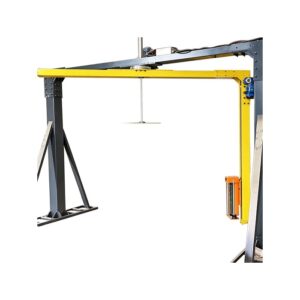
Shrink wrapping machines benefits industrial manufacturers can quantify: fewer damage claims, unitized pallets, less film waste, and printed-film branding.
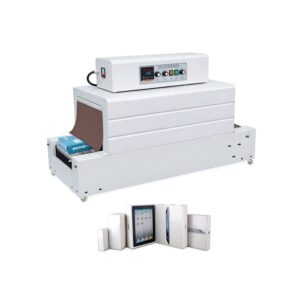
Spotting the best shrink wrapping machine manufacturers comes down to engineering depth, spares stocking, documentation, and export experience.
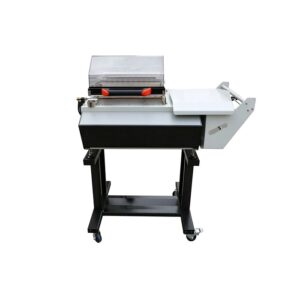
The best small shrink wrap machine for a growing packing bench: compare footprint, film changeover speed, and cycle rates before you order equipment.
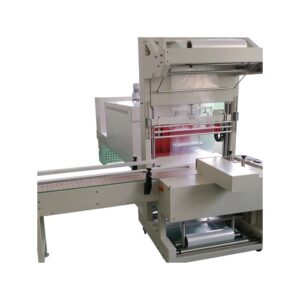
The best shrink wrap machine for food puts film grade, washdown design and seal quality first. See what meat, produce and bakery lines need.
WhatsApp us
Our specialists will get back to you within a few minutes