What Really Drives Your Shrink Wrap Machine Price? Reading a Quotation Line by Line
What Sets a Shrink Wrap Machine Price Before You Ever See a Quote
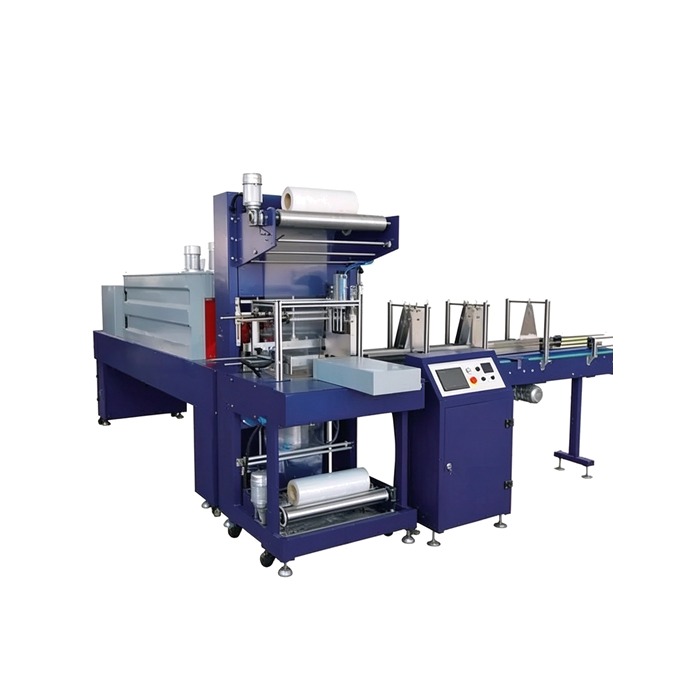
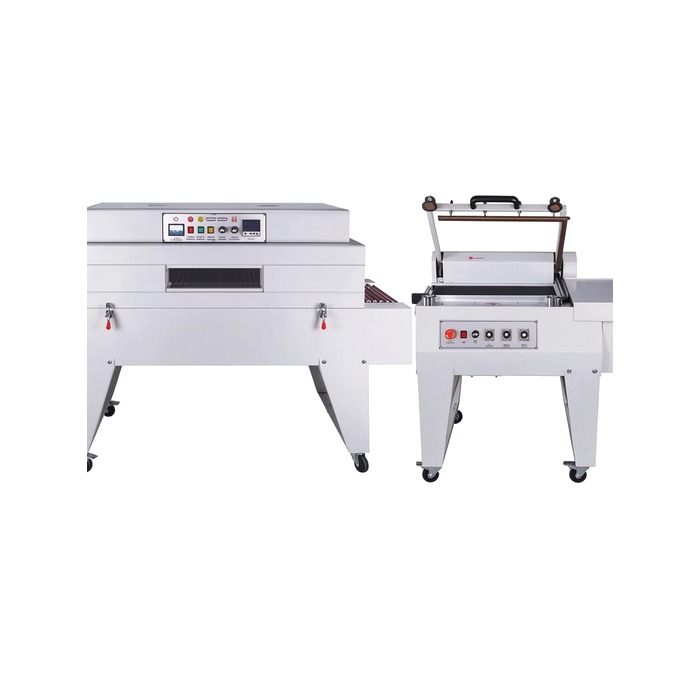
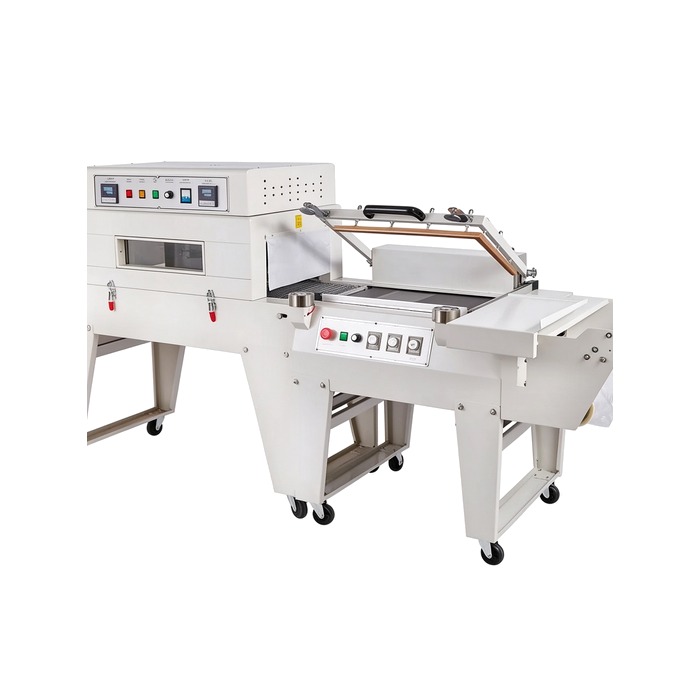
Most buyers ask for a number first and think about specifications later, then wonder why quotes differ by two or three times. A shrink wrap machine price is not one number for one product category — it is the sum of engineering decisions made for your product, your film, and your throughput. A benchtop chamber machine and an inline L-sealer with a powered tunnel share almost nothing except the word “shrink.”
Before you request quotes, get honest about your own requirements. Measure your largest and smallest product, decide how many packs per shift you actually need, and confirm which film you will run: POF for retail presentation, PE for heavy or bundled items, PVC for light display packs. Suppliers quote against these answers, and vague requirements are the biggest reason a shrink wrap machine price looks affordable on paper and wrong on the floor.
The Spec Lines That Move a Shrink Wrap Machine Price Most
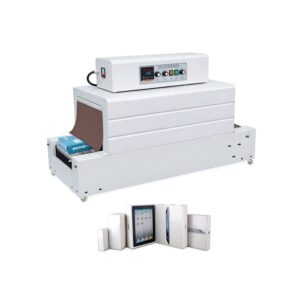
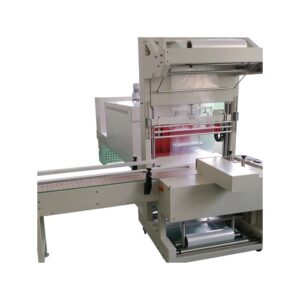
Sealing size comes first: an L-bar sized to your product with 15–20 percent clearance costs noticeably less than an oversized bar. Heater wattage and tunnel chamber length follow, because both decide how quickly film shrinks and how many packs per minute the line delivers. Automation level — hand-fed, semi automatic, or fully automatic with a powered infeed — can change the number by an order of magnitude, and options such as stainless frames or custom discharge tables are quoted as separate lines.
How to Read a Shrink Wrap Machine Price Quotation Line by Line
A professional quotation should read like an engineering document, not a single total. Ask every supplier to break the offer into the sealing head, the tunnel or shrink hood, infeed and discharge handling, tooling and change parts, spares, installation, and freight. When a shrink wrap machine price arrives as one figure with no breakdown, you cannot tell whether the supplier budgeted a real sealing system or an undersized system that will bottleneck your line within a year.
| Quotation line |
What it covers |
Why it moves the number |
| Sealing system |
L-bar or side-seal dimensions, seal wire gauge, cycle type |
Sets maximum pack width and cycles per minute |
| Shrink tunnel |
Chamber length, heater kW, conveyor speed range |
Decides dwell time and real output at your pack size |
| Controls |
Relay logic or PLC, temperature zones, fault display |
Affects changeover minutes and operator training |
| Handling and options |
Infeed tables, discharge conveyors, stainless upgrade |
Priced as add-ons; choose deliberately, not by default |
| Services |
Installation, commissioning, training, spares kit, freight |
Often excluded; missing lines resurface as surprises |
Itemized lines also make quotes comparable. If one supplier lists a 600 mm seal bar feeding a 1.2 m tunnel while another writes “suitable shrink system,” only one of them is quoting hardware. Compare seal bar length, tunnel length, heater kW, conveyor speed range, and machine weight — weight is an honest tell, because hollow frames show up there long before they show up on your floor.
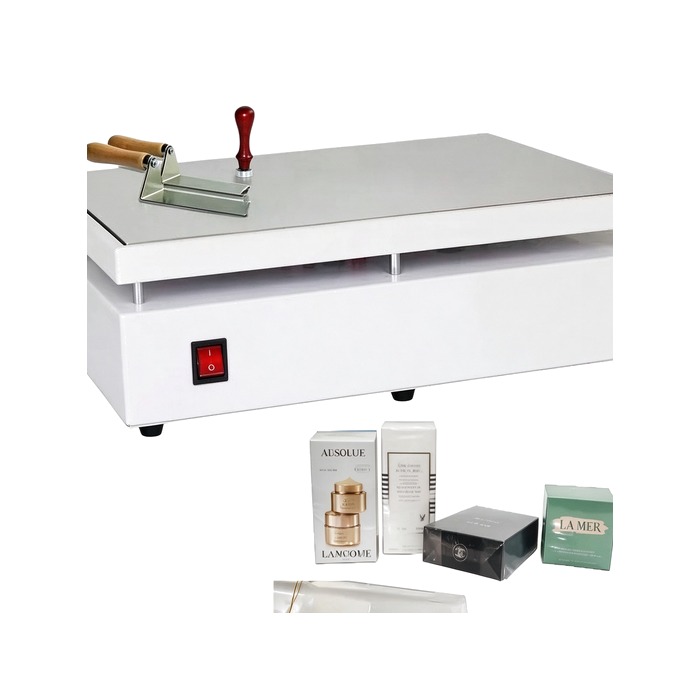
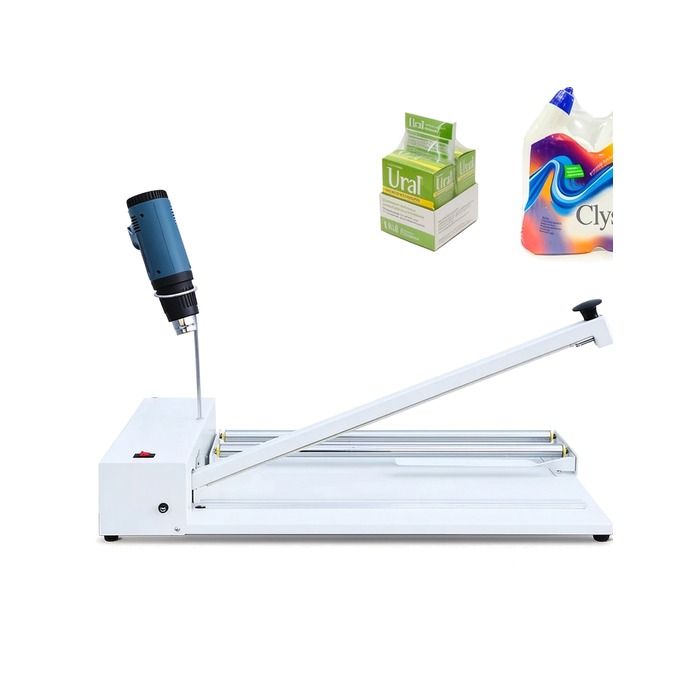
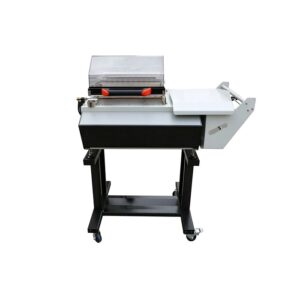
If your volumes are modest, a well-specified manual shrink wrapping machine is often the smarter entry point. Its quotation should still break out seal size, heater rating, and film compatibility — a smaller machine is not an excuse for a vaguer quote.
Getting an Accurate Shrink Wrap Machine Price in Three Steps
First, send actual samples or precise dimensions with photos. Second, state your target packs per hour and your film type and thickness in microns. Third, ask each supplier to confirm cycle time at your pack size. One round of precise questions returns a shrink wrap machine price you can build a budget around, instead of three numbers you cannot reconcile.
Before You Sign: Questions That Protect the Number You Were Quoted
Once itemized quotes are in hand, resist the urge to compare totals only. Ask each supplier to walk you through their assumptions and put the answers side by side:
- Which pack size did you use to calculate the stated cycles per minute?
- What heater wattage and tunnel temperature range do you recommend for my film?
- Which spare parts ship with the machine, and what is the lead time on seal wire?
- Are installation and operator training included, quoted separately, or excluded?
- What exactly does the warranty cover on the sealing system, not just the frame?
Then request a trial. A supplier confident in its engineering will run your actual product and film, record the cycle rate achieved, and quote from that result. Numbers built on assumptions tend to crumble at commissioning, while a shrink wrap machine price validated by a trial on your own product holds up through installation and beyond.
From Quotation to Purchase Order Without Surprises
If you are early in the process and want a reference point before writing a specification, send SWM Machines your pack dimensions and target output. We will review the application, tell you honestly where a smaller machine is enough and where it is not, and return a line-item quotation — the same breakdown we put behind every shrink wrap machine price we issue, so you can compare offers on engineering rather than on a single tempting total.
Related Articles
Looking for a Reliable Shrink Wrap Machine Manufacturer?
Work with our in-house manufacturing and industry experts