How Much Is a Shrink Wrap Machine? Price Tiers From Manual to Automatic
How Much Is a Shrink Wrap Machine at Each Price Tier?
Machines cluster into three tiers, and each tier buys a different relationship with labor. So how much is a shrink wrap machine really going to set you back? Rather than a list of numbers that age badly, picture a ladder. At the bottom sit manual sealers and chamber units that depend entirely on operator skill; in the middle, semi-automatic machines hold tension and heat while an operator loads and unloads; at the top, automatic lines feed, seal, shrink, and discharge with only supervision. Each step removes seconds per package and operator judgment calls, and each step multiplies the purchase price. The trick is buying the tier your actual volume justifies, not the one that looks impressive on a showroom floor. A shop shipping fifty packages a day overpays badly for an automatic line; a co-packer running three shifts underpays for anything manual. Film choice bends the tiers too, though less than people assume: the same product that runs on 75 gauge POF in a chamber needs different handling on an L-sealer, and film price per roll varies enough to move monthly costs. Service and support separate the tiers as well — the higher the tier, the more you depend on commissioning help, spare parts availability, and a supplier who answers the phone.
How Much Is a Shrink Wrap Machine? The Three Tiers Compared
How much is a shrink wrap machine at each tier? The comparison below shows what the money actually buys on the floor, from a benchtop cavity to a line that runs itself.
| Tier |
What you get |
Typical output |
Best fit |
| Hand sealer + heat gun |
Impulse bar, gun, hand film; skill does the work |
1–3 packages per minute |
Occasional or irregular items |
| Benchtop chamber machine |
Seal and shrink in one cavity, one motion |
2–6 packages per minute |
Small shops with mixed product sizes |
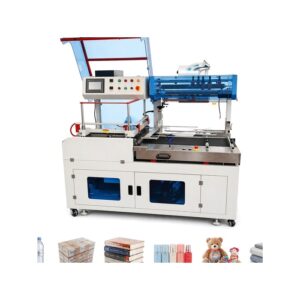
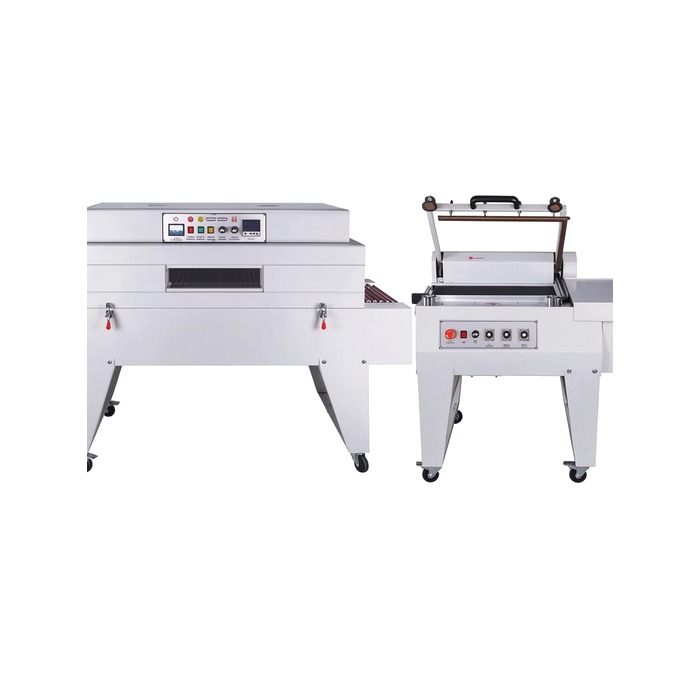
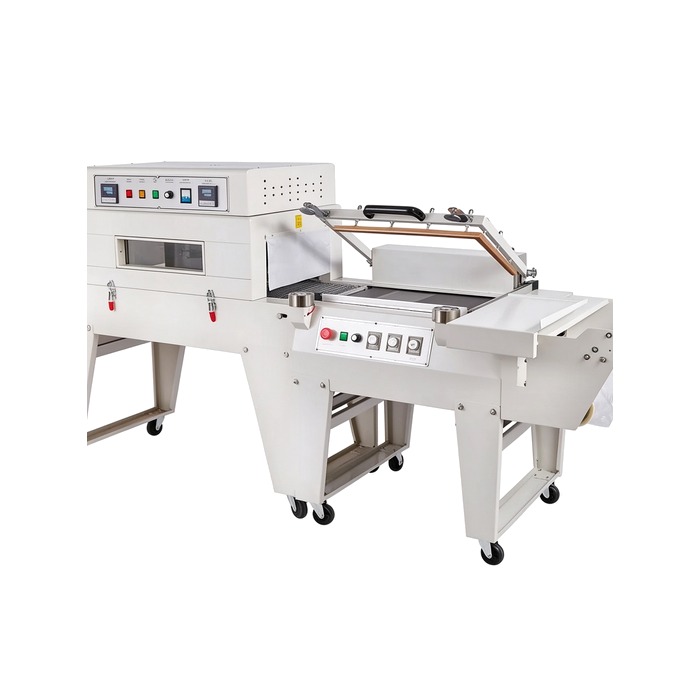
| Semi-automatic (L-sealer + tunnel) |
Machine seals and shrinks; operator feeds |
8–20 packages per minute |
Growing shops, one operator per line |
| Automatic inline |
Feed, seal, shrink, discharge integrated |
20–40+ packages per minute |
Co-packers and dedicated production |
How Much Is a Shrink Wrap Machine in the Entry Tier?
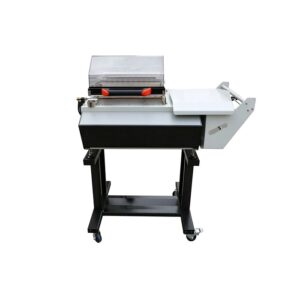
Entry tier equipment is built around the operator. Expect impulse sealers, small chamber machines, and hand dispensers: the lowest purchase cost, near-zero installation, and output capped by how fast a person can work. It is the right tier when volume is seasonal or products change size constantly, because nothing needs re-fixturing between jobs. The limits show up as operator fatigue, seals that vary between shifts, and film waste from hand tensioning.
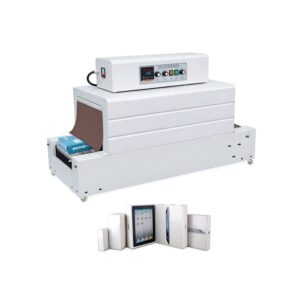
How much is a shrink wrap machine once a tunnel and conveyor enter the picture? Semi-automatic configurations move you up a tier, trading a higher purchase price for consistent, machine-timed seals and a single operator feeding the line. Our current price list and quote request page covers the models in each tier, so you can compare configurations side by side before committing.
How Much Is a Shrink Wrap Machine at the Automatic End?
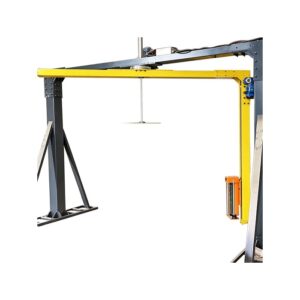
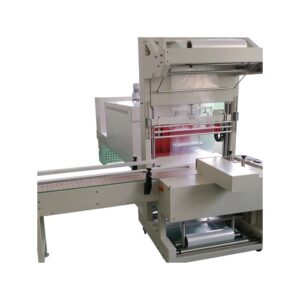
Automatic inline lines add product feeding, collation, and discharge, dropping labor to supervision and changeovers. They earn their place through cost per package on stable, high-volume SKUs — throughputs that manual methods cannot touch at any wage. What they demand in return: floor space, a proper power supply, and a planned installation window with commissioning support.
Matching the Tier to Your Daily Volume
Volume, product stability, and growth plans decide the tier more than budget does. So how much is a shrink wrap machine for the volume you actually run? Start by logging packages per day for two weeks — most shops are surprised by the number in either direction, and the log counts rejects and re-wraps, not just good packages. Buy for the volume you expect in year two, not for last season’s spike.
- Under roughly 100 packages a day with varied sizes: the entry tier earns its keep.
- Steady daily volume with one or two package formats: semi-automatic pays back through consistency.
- Continuous multi-shift runs of stable SKUs: automatic lines deliver the lowest cost per package.
So how much is a shrink wrap machine for your product? The honest answer depends on two numbers you already have: package dimensions and daily volume. Send both to SWM Machines, and we will name the tier, the model class, and send a written quote — the machine your volume actually needs, nothing more. And how much is a shrink wrap machine going to save in re-wraps and overtime? That number usually funds the tier upgrade on its own, so log it monthly alongside package counts.
Related Articles
Looking for a Reliable Shrink Wrap Machine Manufacturer?
Work with our in-house manufacturing and industry experts