What Is a Shrink Wrap Machine? Five Types Explained in Plain Terms
What Is a Shrink Wrap Machine, and What Does It Actually Do?
Walk through a US co-packing plant and you notice the output before the equipment: bottles locked together under tight, glass-clear film, cartons that no longer scuff on a pallet. The device behind that result is simple in concept. It wraps a product in film, applies heat, and lets the film’s own orientation memory pull itself tight. Most buyers who ask what is a shrink wrap machine are really asking something narrower: which configuration will handle my pack, my volume, and my floor space without starving the line.
The category spans a tabletop sealer on a folding table and a forty-foot inline system running sixty packs a minute. They share physics and little else. Buying the wrong one is rarely a quality problem; it is a fit problem, and fit comes down to three numbers you can measure this week: pack footprint, packs per eight-hour shift, and how much of the product must stay visible to the retailer.
Film, Heat, and Tension: What Is a Shrink Wrap Machine Really Controlling?
Three variables, and most of the confusion disappears once you separate them. Film sets how much strength you get per micron and how glossy the finished pack looks. Heat sets how fast the film relaxes and how much of that gloss survives. Tension, created by the seal and the film path, decides whether the pack comes out crisp or baggy. Change one and the other two must follow, which is why a unit that runs well on 19-micron POF can look embarrassing the day someone loads 25-micron PE and leaves the tunnel on the old recipe.
What Is a Shrink Wrap Machine Made Of?
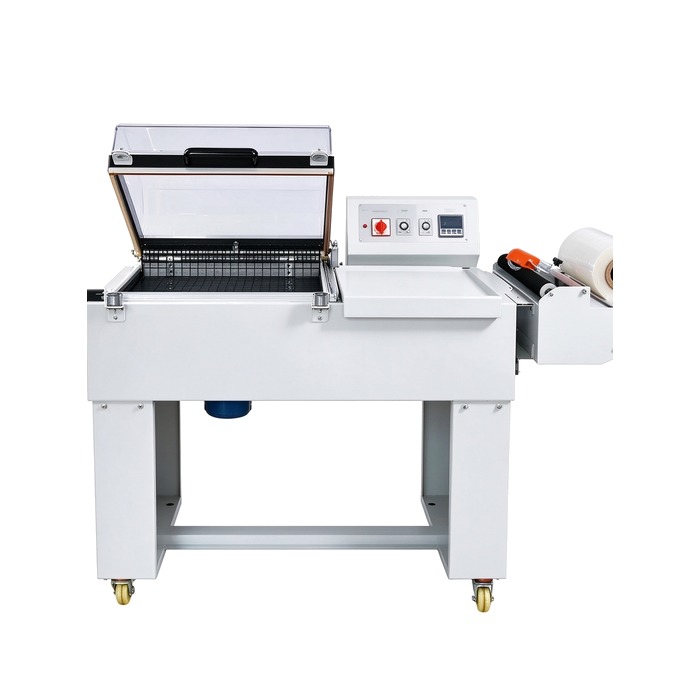
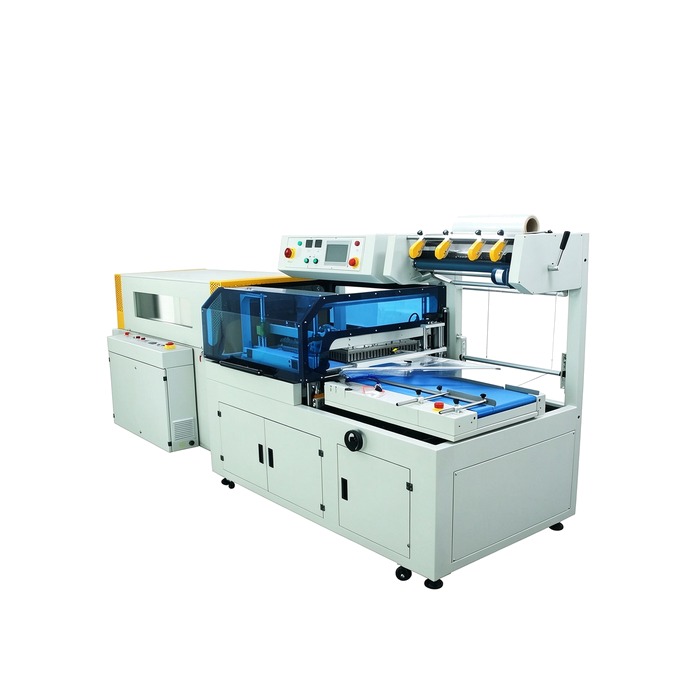
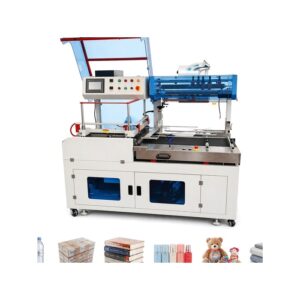
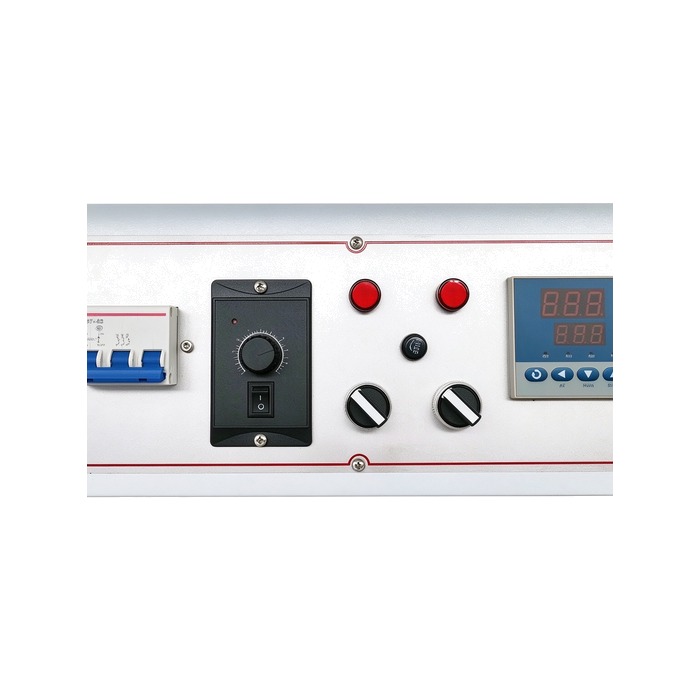
The honest answer to what is a shrink wrap machine built from is five subsystems in sequence. A film unwind with a brake to hold back tension. A sealing head, either a single L-bar, a pair of side-sealing wheels, or a full perimeter bar. A tunnel or hood with two heat zones and a fan. A transfer that carries the pack through the heat. And a controller that ties temperature, speed, and dwell time together.
Following the Film Path Through a Shrink Wrap Machine
Film leaves the roll, passes a brake roller, folds over a forming plate, and reaches the seal area as a tube or a center-folded sheet. On an L-sealer the fold sits on one side, so the pack needs three sealed edges. On a sleeve wrapper the film forms a tube, the pack gets two side seals, and a shrink pass closes the ends. Check what is a shrink wrap machine doing to the film at the fold, because drag or static there becomes a visible crease in every package.
Matching the Hardware to the Pack
The table below narrows the field fast. It assumes a single shift and a pack that fits a 24-inch conveyor; the speeds are production numbers, not brochure peaks.
| Type |
Best fit |
Output |
Film |
Footprint |
| Tabletop L-sealer |
Short runs, samples |
8 to 15 per minute |
PVC or POF, 15 to 19 micron |
One bench, 3 by 2 ft |
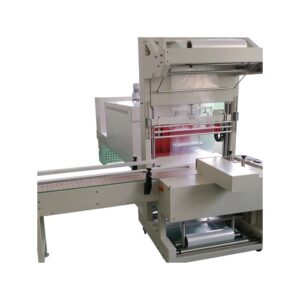
| Sleeve wrapper |
Bottles, cans, trays |
12 to 25 per minute |
PE or POF, 19 to 25 micron |
10 to 14 ft long |
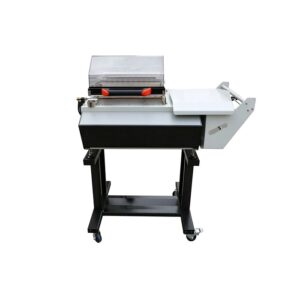
| Chamber machine |
Odd shapes, print work |
6 to 10 cycles |
POF, 15 to 19 micron |
5 by 3 ft |
| Automatic inline |
One product family |
30 to 60 per minute |
Center-folded POF, 19 micron |
20 to 30 ft long |
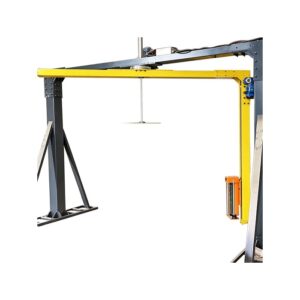
| Pallet wrapper |
Full loads, DC shipping |
20 to 40 loads per hour |
Stretch or hood film |
8 by 8 ft bay |
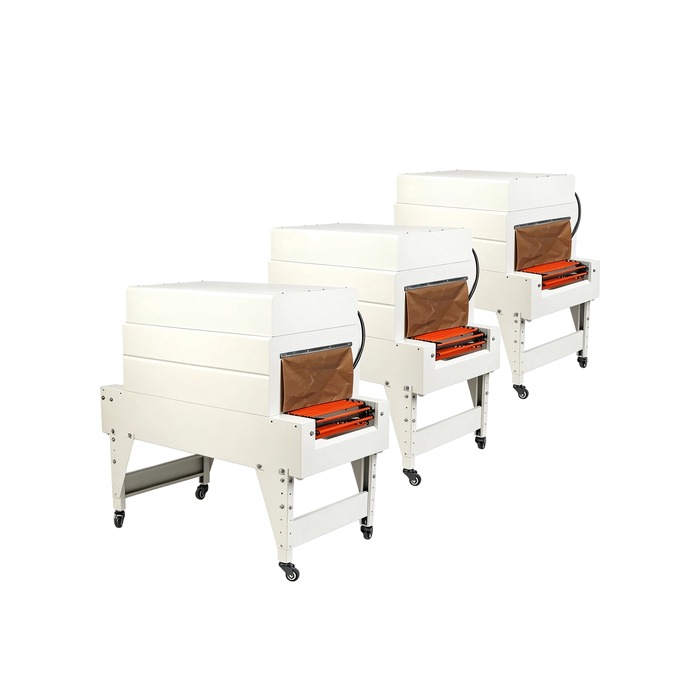
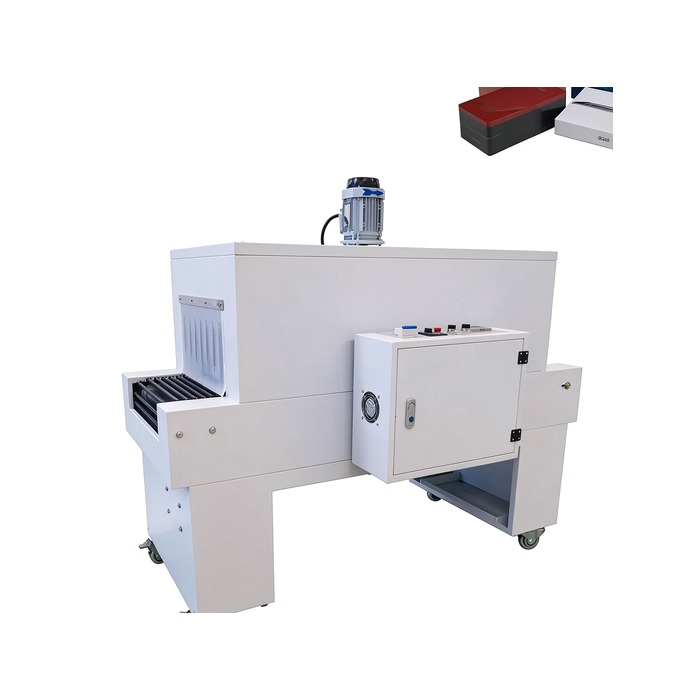
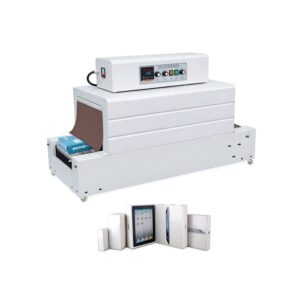
If your target sits above the stated output you will pay for the gap in overtime. If it sits well below, you are buying capacity you will never use, so ask what is a shrink wrap machine going to replace on your floor rather than how fast it claims to run. To see those five subsystems assembled in one frame, take a close look at our hot air shrink tunnel and sealer combination.
What to Check Before You Sign
Three checks separate a good purchase from an expensive lesson. First, run your own film, the largest recurring cost and the usual reason a new unit underperforms. Second, time a full changeover with your own hands: forty minutes to switch from a six-pack to a twelve-pack will quietly kill a high-mix operation. Third, confirm the service path: who stocks seal bars, Teflon covers, and heater cartridges in the US, and how fast a spare arrives.
Keep the list short and practical:
- Pack sizes you run today, plus the two sizes sales keeps promising.
- What is a shrink wrap machine supposed to produce in your peak hour, not your average hour.
- Film type, gauge, and whether the fold must be center or single-wound.
- Available amperage, air supply, and clearance for loading.
- Who will operate it, and who will maintain it.
What Is a Shrink Wrap Machine Worth to Your Line?
Value shows up in three places: film cost per pack, labor minutes per pack, and damage claims. A sleeve wrapper that replaces two people hand-wrapping trays usually pays back inside a year on labor alone, while a chamber machine bought for eight packs a day rarely pays back at all. That is why the answer to what is a shrink wrap machine going to cost you is never a model number. It is a specification, and the specification is only as good as the numbers you bring to it.
Still deciding between manual and automatic? Send us your pack dimensions, film type, and target output, and we will tell you which configuration is oversized and which is underpowered.
Related Articles
Looking for a Reliable Shrink Wrap Machine Manufacturer?
Work with our in-house manufacturing and industry experts