How Does a Shrink Wrap Machine Work? Follow the Film Path End to End
How Does a Shrink Wrap Machine Work, Step by Step?
Watch a pack go from a bare carton to a tight film bundle and you have seen the whole cycle in well under a minute, but the order of operations matters more than the speed. So how does a shrink wrap machine work from the operator’s side? Film is drawn across the pack, a seal closes the web into a tube, a knife separates the tail, the pack transfers into heat, the film relaxes around it, and the pack cools on the way out. Six steps, and every fault you will ever troubleshoot belongs to one of them.
Because the order is fixed, diagnosis gets easier. A loose tail means the seal did not close before the knife fired. Cloudy film means the tunnel ran hot or the dwell ran long. A warped tray means heat and conveyor speed drifted in opposite directions. How does a shrink wrap machine work when the pack is a tray of loose bottles? Exactly the same way, except the film has to hold the load together before heat ever reaches it, which is why tray work usually needs a firmer seal and a slightly heavier gauge.
Why the Film Must Be Under Tension Before the Heat Arrives
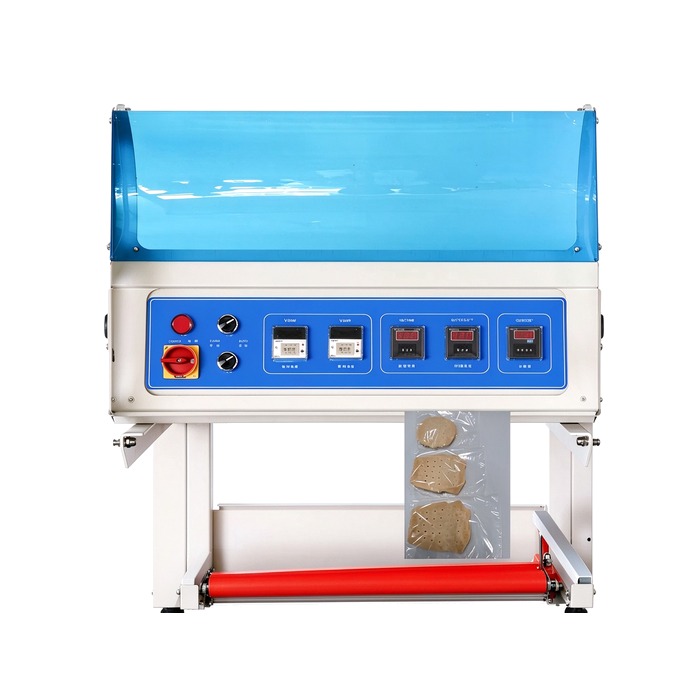
Sealing carries most of the mechanical wear. A hot bar or hot wire presses the film against a Teflon cover, fuses the two layers, and a knife or a cold cut separates the tail. The seal is only as strong as the pressure behind it, so a worn silicone pad produces weak seals long before the element fails. Side-sealing units do the same job with two wheels running at film speed, which is why they handle long packs that will never fit under a bar.
How Does a Shrink Wrap Machine Work Inside the Tunnel?
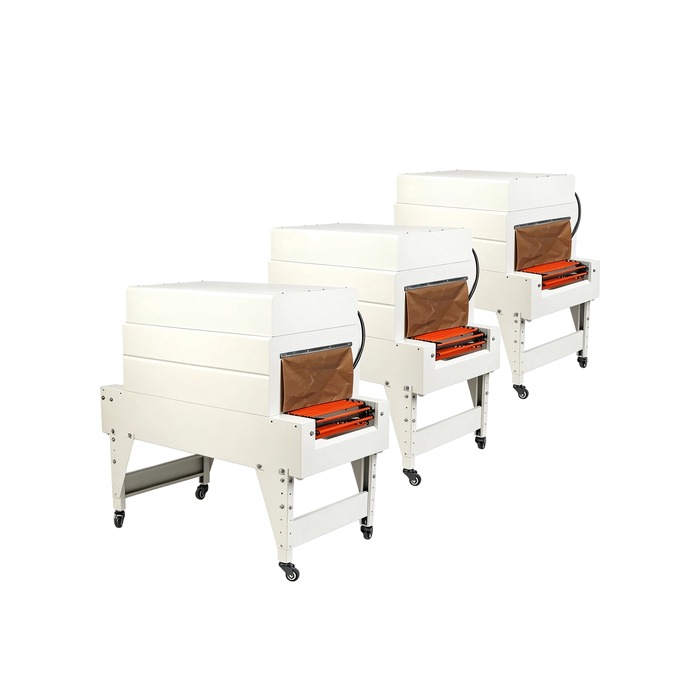
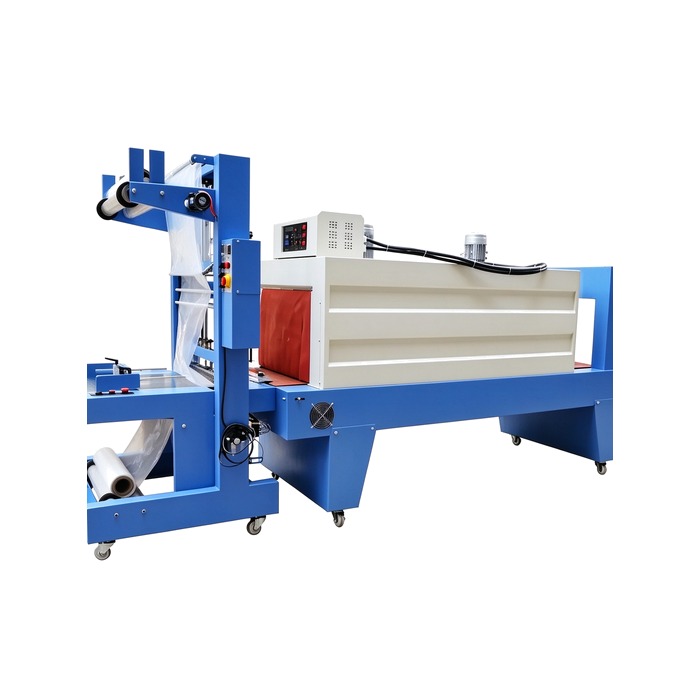
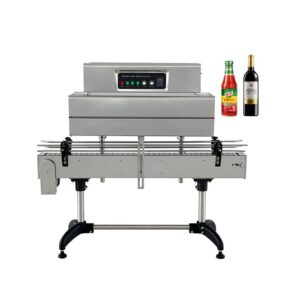
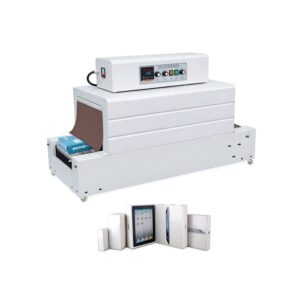
A tunnel is a box with two heat zones, a fan, and a conveyor. In the first zone the film reaches its shrink window, typically between 140 and 160 degrees Celsius for POF and noticeably higher for PE. In the second, air circulates so the film pulls evenly around corners instead of webbing across them. Conveyor speed sets dwell, and dwell plus temperature decides the finish. How does a shrink wrap machine work on film with a printed side? The print faces away from direct air, or the ink blisters and the pack looks scuffed.
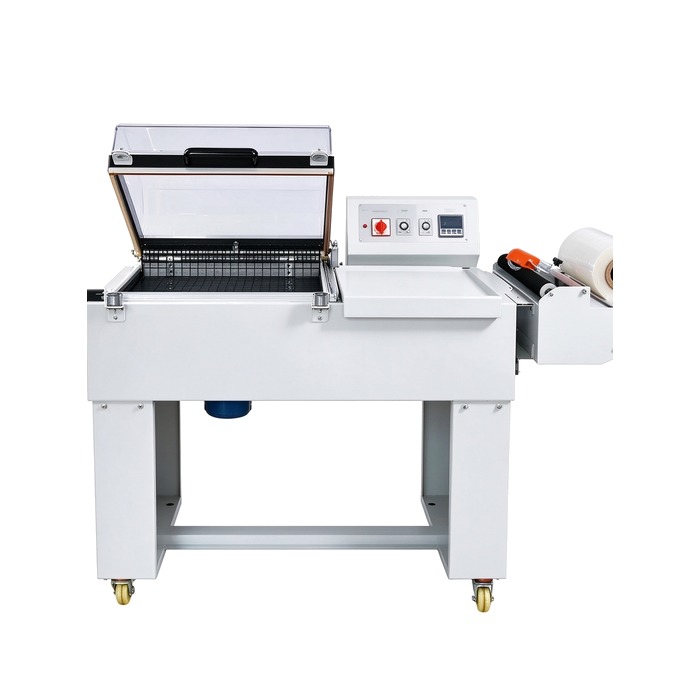
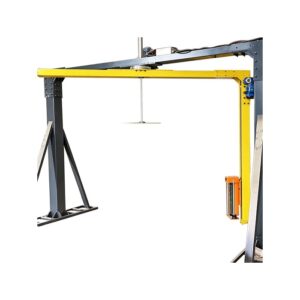
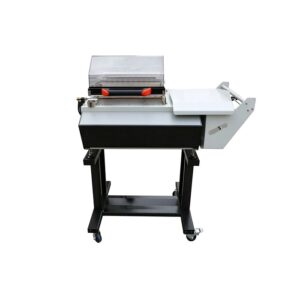
Without a tunnel the heat source changes but the physics do not. A shrink hood drops over a pallet and pushes hot air from four sides. A hand-held heat gun does the same job at a fraction of the speed and a much higher labor cost per pack. A chamber machine puts the pack inside a small heated box and runs a shrinking cycle with no conveyor at all. How does a shrink wrap machine work when volume is low and shapes change hourly? A chamber machine, because changeover is opening a door rather than rebuilding a film path.
How Does a Shrink Wrap Machine Work Without a Tunnel?
Compare the heat sources by what they cost you per pack, not per hour. The table assumes film of 19 to 25 micron and a pack that does not need a barrier layer.
| Heat source |
How heat reaches film |
Fits |
Weak point |
| Convection tunnel |
Forced air across both faces |
20 to 60 packs per minute |
Uneven airflow at the edges |
| Shrink hood |
Hot air from four sides |
Pallet loads, 20 to 40 per hour |
Slow cycle, high energy draw |
| Chamber |
Sealed box, timed cycle |
6 to 10 cycles per minute |
Door seal wear |
| Heat gun |
Operator-directed air |
Under 10 packs per hour |
Burns and inconsistent finish |
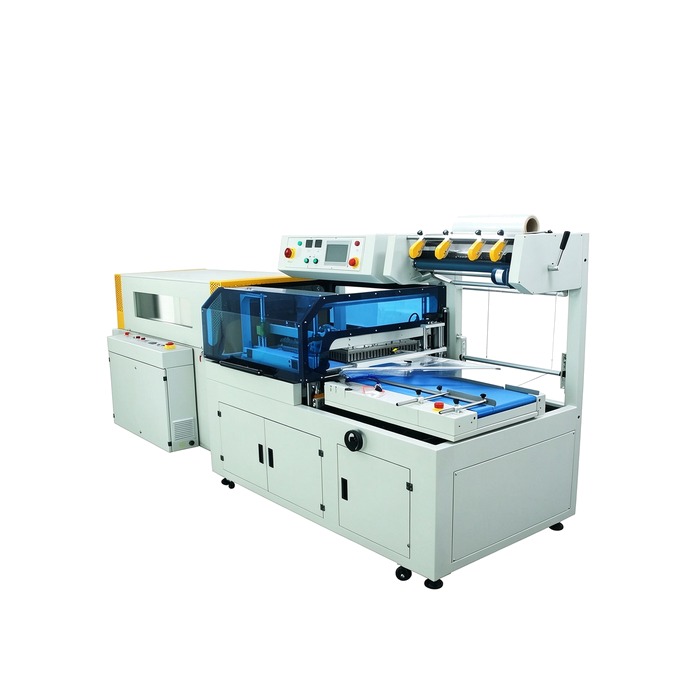
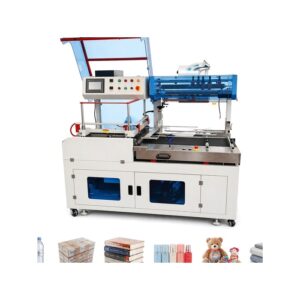
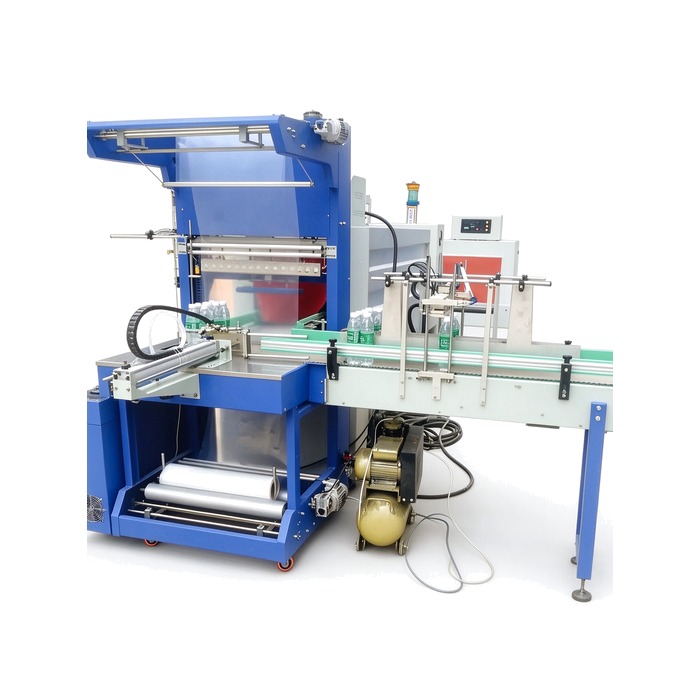
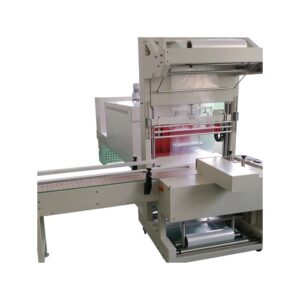
Pick the heat source first and the frame size second. Two units with identical sealers can differ by thousands of dollars once one carries a two-zone tunnel and the other a single-zone hood, and the cheaper one will not hold a retail-grade finish at production speed. The same sequence runs end to end on our automatic side-sealing shrink wrap line, if you want to compare speeds against your own numbers.
Where the Sequence Breaks
Four faults account for most downtime on any of these machines: a dull knife leaving a film bridge, a cold seal bar, a tunnel fan that has slipped off its shaft, and a roll loaded with the wrong side facing out. None of them needs a technician. All of them look like a machine fault to an operator who has never been shown the sequence, which is why a one-page diagram taped to the guard saves more hours than any spare part.
Run this check before calling service:
- Knife cut clean, no film bridge between packs.
- Seal bar at temperature, Teflon cover intact and flat.
- How does a shrink wrap machine work when the seal bar cools mid-run? Usually a loose thermocouple, not a failed element.
- Fan turning, no rattle from the tunnel roof.
- Film wound the right way out, core seated against the brake.
How Does a Shrink Wrap Machine Work at High Speed?
Above roughly forty packs a minute the sequence stops being discrete. Sealing, cutting, and transfer overlap, and the film is already under tension while it is still being sealed. That is why high-speed inline units use a flying seal or a rotary head, and why a film with a narrow shrink window will cap your output long before the mechanics do.
How does a shrink wrap machine work on your own pack? That depends on dimensions, film, and the rate you actually need at peak. Send those three numbers and we will map the sequence to a configuration that will not fight you at shift change.
Related Articles
Looking for a Reliable Shrink Wrap Machine Manufacturer?
Work with our in-house manufacturing and industry experts