How to Size an L Bar Shrink Wrap Table Top Machine Without Mis-Ordering the Seal Bar
How an l bar shrink wrap table top machine seals, how to size the L-bar to your pack envelope, and the mis-sizing mistakes that cost buyers real money.

Hand wrapping a pallet looks simple until loose top rows start sliding sideways in the truck. Most of that failure traces back to the first three passes, not the last ones. Before you pull film off the roll, walk the load: knock down protruding staples, square leaning cartons back inside the footprint, and confirm nothing overhangs the pallet edge, because overhang gives film nothing to grip and corners nothing to protect. Anchor the film by twisting the end into a rope and tucking it between two cartons at hip height; tying it to the pallet boards just invites a forklift tine to tear it loose on the first move. Learning how to wrap a pallet in shrink wrap the right way is mostly tension discipline: keep steady walking tension rather than yanking the web, because sharp pulls thin the film at the corners until it punctures mid-roll. Aim for 50 to 70 percent overlap between passes so no gap opens up as you spiral upward, and always work from the bottom up, because base tension locks the entire load to the pallet. Finish with two or three extra turns around the top edge so the shoulder of the load cannot mushroom outward in transit. A trained operator should close a standard 48 by 40 inch pallet in three to five minutes using roughly 300 to 500 grams of 80 gauge hand film; if your numbers sit far above that, the technique or the film itself deserves a second look.
Here is how to wrap a pallet in shrink wrap from the first anchor to the final cut — the same sequence we walk through with customers on installation day. Anchor low with a twisted rope of film tucked between cartons; spiral upward with 50 to 70 percent overlap; lock the top with two extra turns just under the upper surface; add corner boards on irregular loads before the final passes; tear the tail against the load and press it flat; then log the film and minutes used so you have a baseline before any equipment change.
Top caps matter when the load is uneven or stackable. Lay a corrugated cap over the upper surface after the first full upward pass and wrap over it, so tension spreads across the whole top instead of concentrating on the tallest carton. Corner boards do the same job vertically. If you are unsure how to wrap a pallet in shrink wrap when carton sizes change mid-stack, corner protection is the cheapest upgrade available — it turns puncture-prone edges into smooth surfaces the film can slide across instead of snag and split.
| Hand film gauge | Best suited loads | Practical notes |
|---|---|---|
| 60–70 gauge | Light, uniform cartons under 20 lb each | Stretchiest and most economical; tears easily on sharp edges |
| 80 gauge | Standard mixed pallets, the workshop default | Balanced strength and stretch for most hand wrapping |
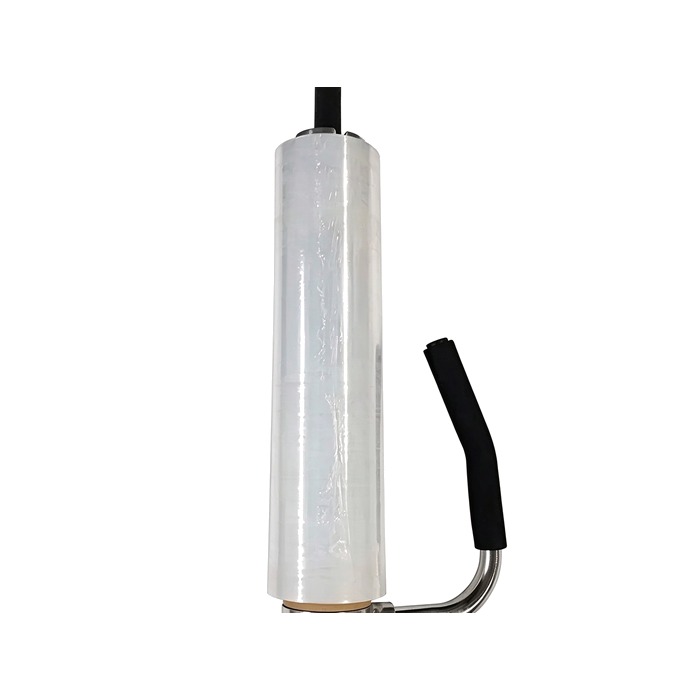
| 100–120 gauge | Heavy or abrasive loads, drums, sharp corners | Harder to stretch by hand; use a dispenser with a brake |
| UVI or colored film | Outdoor storage or load identification | Costs more per roll; order only when the job justifies it |
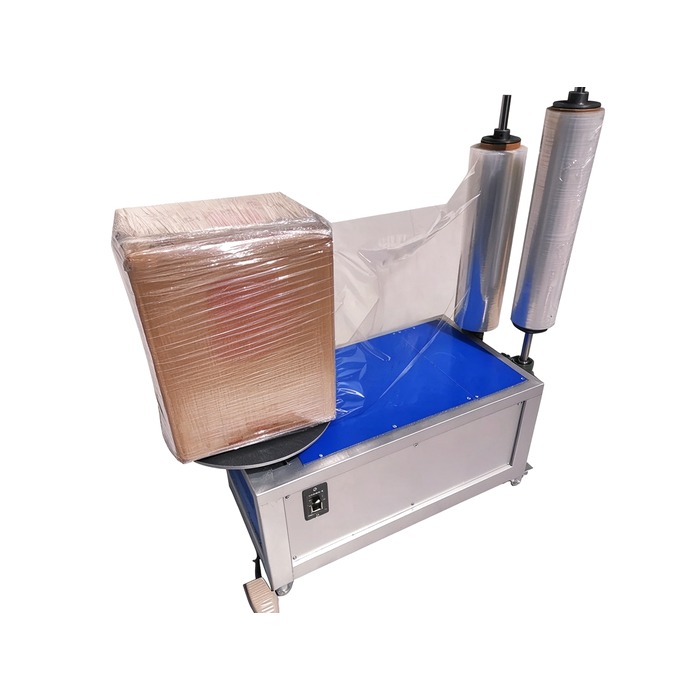
Past ten pallets a shift, the same principles transfer to a semi-automatic turntable that holds tension for you while you cut and wipe the tail. Operators who already know how to wrap a pallet in shrink wrap by hand adapt fastest, because they understand what the film is doing at every pass. When you are ready to compare equipment, our manual pallet shrink wrap systems page lists the sealers and dispensers that bridge the gap between pure hand wrapping and automation.
Once operators know how to wrap a pallet in shrink wrap, the honest next question is volume. Hand wrapping is flexible and cheap to start, but it tops out fast: output depends on walking speed, quality depends on who wrapped it, and film spend creeps upward as fatigue sets in. Three signals usually mark the ceiling.
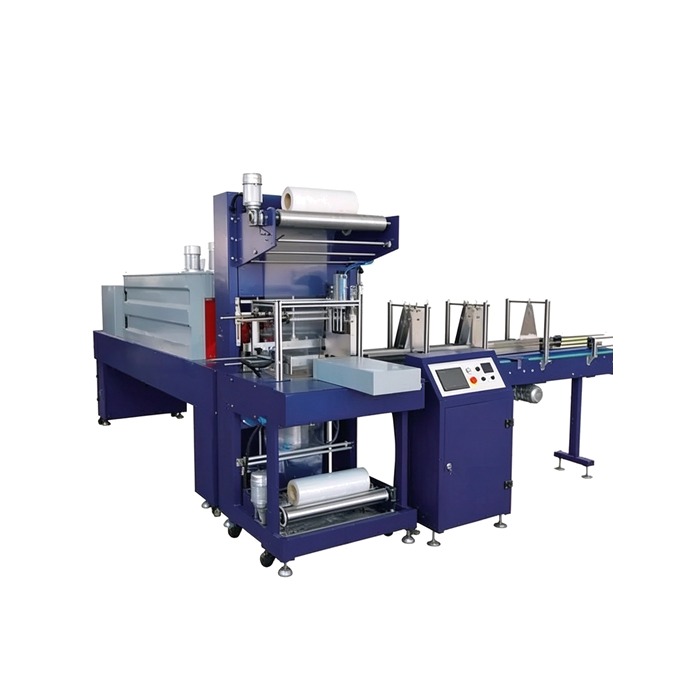
When two of these sound familiar, look at an L-bar sealer with a shrink tunnel or a semi-automatic pallet wrapper sized to your tallest load. SWM Machines builds manual, semi-automatic, and fully automatic lines, and we will happily review photos of your current pallets and recommend the smallest machine that closes the gap — send your load details for a sizing call and a written quote.

How an l bar shrink wrap table top machine seals, how to size the L-bar to your pack envelope, and the mis-sizing mistakes that cost buyers real money.

What a table top shrink wrap machine can and cannot do: bench formats compared, seal types explained, cycle limits, and a buying checklist for small lines.
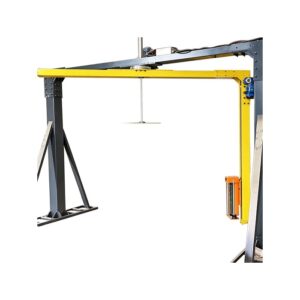
Shrink wrapping machines benefits industrial manufacturers can quantify: fewer damage claims, unitized pallets, less film waste, and printed-film branding.
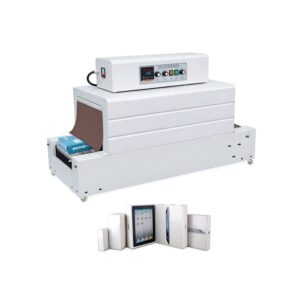
Spotting the best shrink wrapping machine manufacturers comes down to engineering depth, spares stocking, documentation, and export experience.
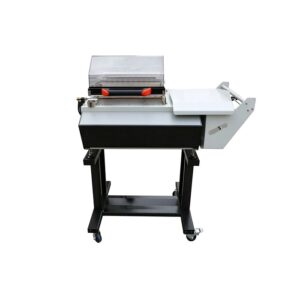
The best small shrink wrap machine for a growing packing bench: compare footprint, film changeover speed, and cycle rates before you order equipment.
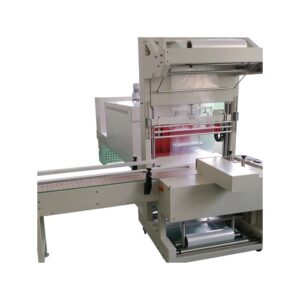
The best shrink wrap machine for food puts film grade, washdown design and seal quality first. See what meat, produce and bakery lines need.
WhatsApp us
Our specialists will get back to you within a few minutes