Shrink Wrap Tunnel Machine Price Drivers: Chamber, Zones and Airflow
Why a Shrink Wrap Tunnel Machine Price Spreads So Wide
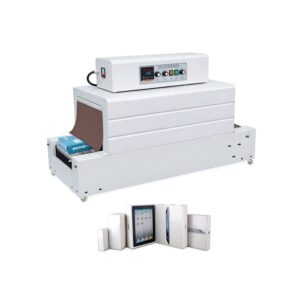
Two tunnels that look nearly identical in catalog photos can differ by a factor of three on a quotation. A shrink wrap tunnel machine price spreads that wide because the chamber is doing real thermal work: it has to deliver controlled heat to a moving film package, hold temperature through continuous duty, and recover instantly when a cold product passes through. Chamber length, conveyor width, zone count, and blower design each multiply the heater, insulation, and control hardware inside the box, so the quotes you collect are really quoting different amounts of steel, wattage, and airflow.
Where a Shrink Wrap Tunnel Machine Price Actually Begins
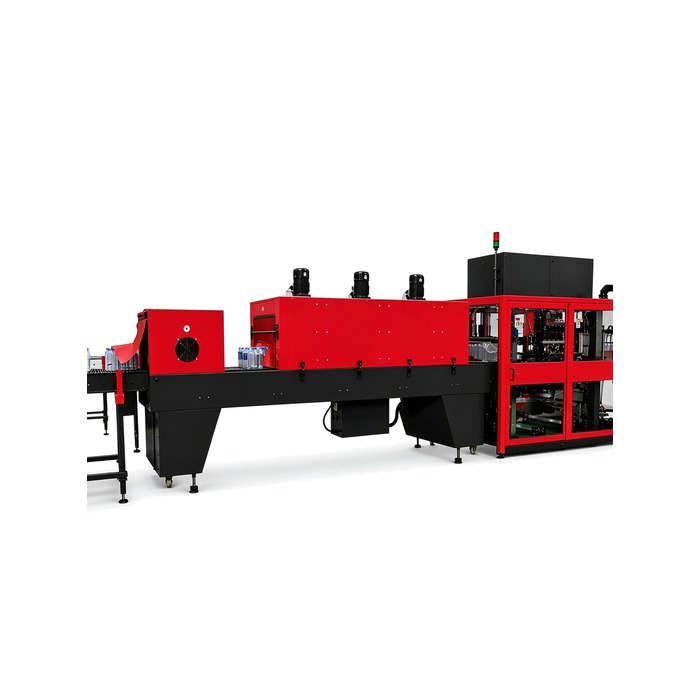
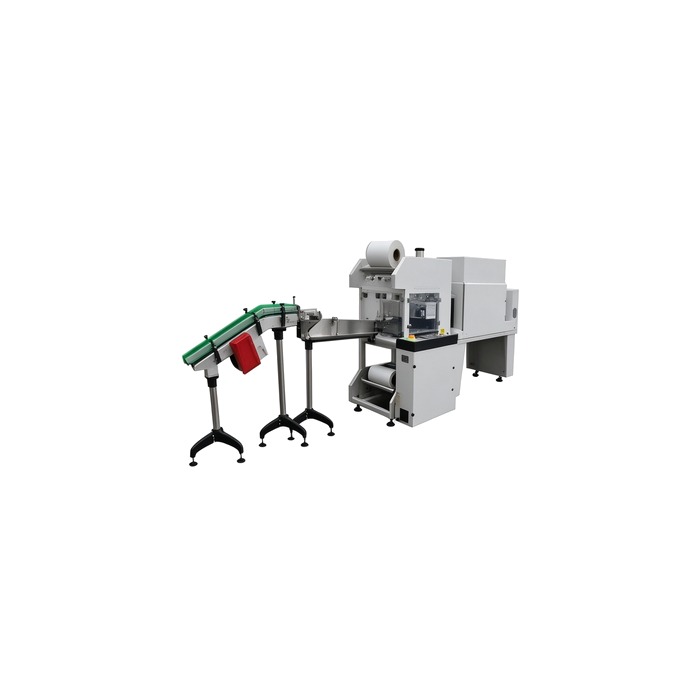
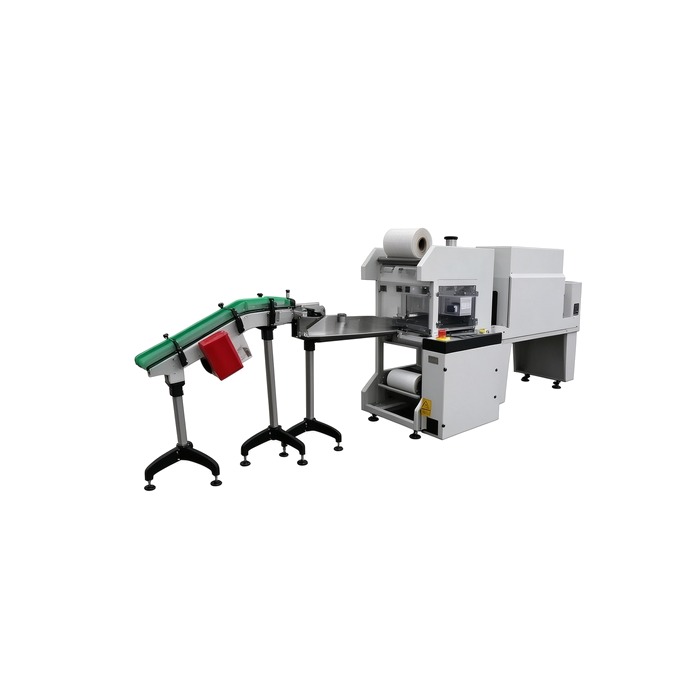
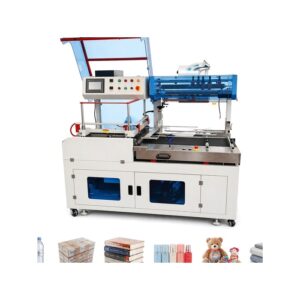
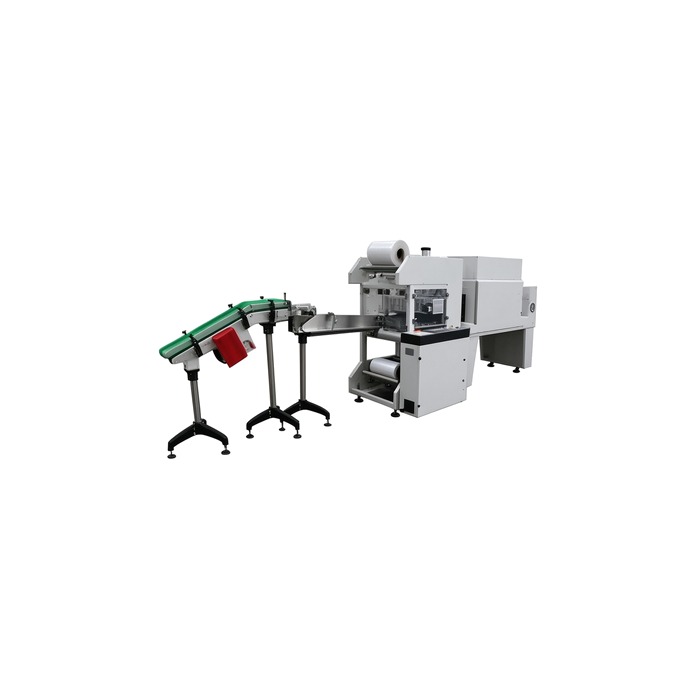
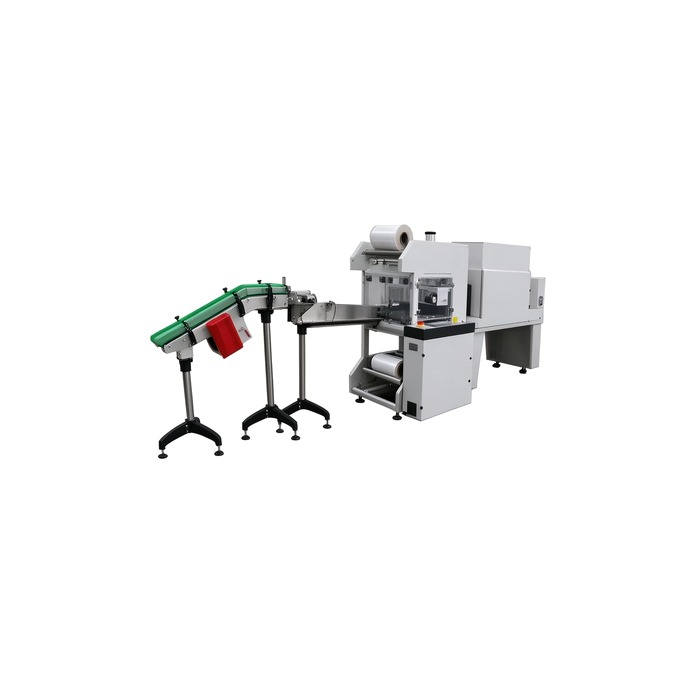
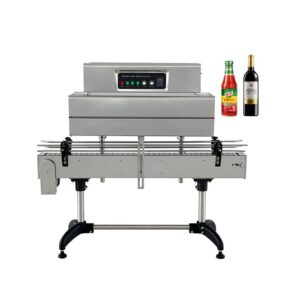
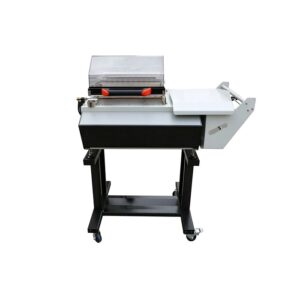
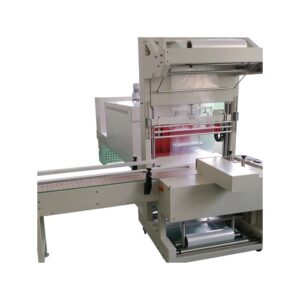
Start by separating the tunnel from everything around it. A tunnel on its own is a heating and conveying device; it does not seal anything. It pairs with an L-sealer, a side sealer, or a sleeve wrapper upstream, and that upstream machine has its own price. Some compact machines combine a sealing bar and a small chamber in one cabinet, which suits low volumes, while separate seal-and-tunnel lines scale with production speed. Knowing where the shrink wrap tunnel machine price sits in that layout keeps you from comparing a bare tunnel against a complete line and wondering why one quote is double the other.
Shrink Wrap Tunnel Machine Price: What Each Spec Adds
Chamber length is the first driver. A 24-inch chamber handles small poly bags at modest speeds; 40 to 60 inches gives film time to shrink fully at higher line speeds without scorching. A longer chamber means more heater banks, insulation panels, frame, and conveyor, and all of it shows up on the quote. Conveyor width follows the same logic: an 18-inch belt covers most retail cartons, while 24 to 30 inches serves larger multipacks and adds cost in belt, side guides, and chamber opening.
Zone count and blower layout finish the picture. A single-zone tunnel is fine for uniform products; two or three zones let you run hotter at entry and cooler at exit, which matters when thin POF wraps temperature-sensitive goods. Blower design decides where hot air lands: closed-chamber vortex designs recirculate air for an even wrap on cartons, while directional nozzles concentrate heat on specific faces, tightening sleeve bundles of bottles and cans.
Tunnel-Only Versus Combined: What the Shrink Wrap Tunnel Machine Price Buys
Buyers often assume a combined unit is cheaper. On the sticker, sometimes; in practice, a combined shrink wrap tunnel machine price buys convenience at the cost of speed, because the sealing bar sets the pace of the whole cycle. Once you wrap more than about eight to ten packages a minute, separate sealing and tunneling almost always wins on throughput, and the combined unit’s shrink wrap tunnel machine price advantage disappears once a second shift exists.
| Tunnel spec |
What it changes in the quote |
Cost direction |
Practical ceiling |
| Chamber length 24/40/60 in. |
Heaters, insulation, frame, conveyor |
Rises with length |
60 in. covers most carton work |
| Conveyor width 12 to 30 in. |
Belt, side guides, chamber opening |
Rises with width |
Match widest pack plus 2 in. |
| Heat zones (1 to 3) |
Extra heater bank and controls |
Adds per zone |
Two zones fit most POF work |
| Blower configuration |
Fans, ducting, nozzle sets |
Directional costs more |
Closed vortex for cartons |
| Belt style |
Mesh belt vs roller rods |
Modest difference |
Mesh belt for small items |
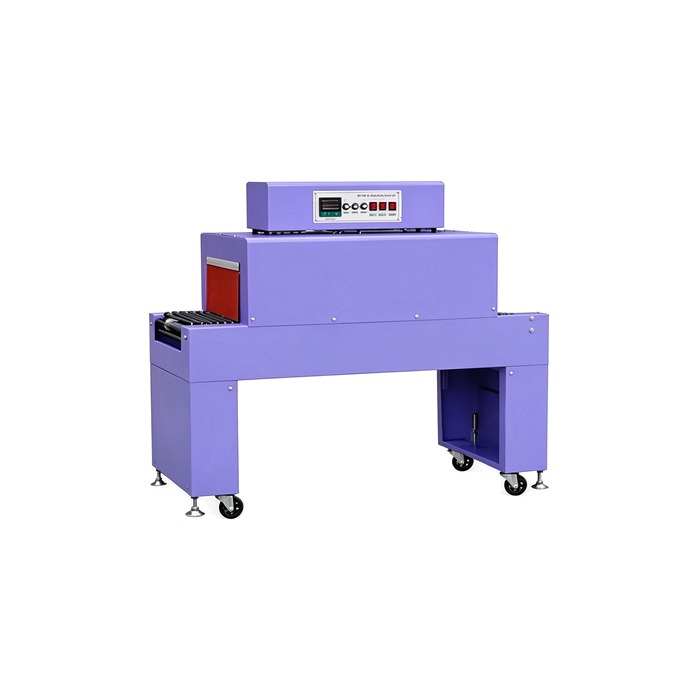
For a concrete baseline before you compare vendors, the 18-inch shrink wrap machine listing spells out chamber and belt dimensions on a compact tunnel-class build, a useful yardstick for what each quoted spec change is worth.
Matching the Tunnel to Your Film
Film choice and tunnel choice are the same decision. PVC shrinks at lower temperatures, roughly 200 to 250 F, but turns brittle in cold storage. POF needs about 250 to 300 F and rewards strong, even airflow with a clear, tight package. Polyethylene for heavy bundling demands high wattage and longer dwell time, which pushes chamber length and heater capacity up. Before asking for a shrink wrap tunnel machine price, run through this checklist:
print this before you request numbers:
- Name the film and gauge you plan to run, not just the product.
- Give the widest and tallest package, including any tray or flange.
- State packages per minute at peak, not the daily average.
- Mention temperature-sensitive products and cold-room storage.
- Say whether sealing happens upstream or in the same machine.
Getting a Tunnel Quote That Holds Up
Send those five items with any request for quotation and you will get a real shrink wrap tunnel machine price instead of a placeholder, because the vendor can size the chamber, pick the zone count, and match the blower design to your film on the first pass, and quotes built this way are comparable line by line.
If you send your package dimensions, film type, and speed target to SWM Machines, we will size the chamber, confirm the film match, and return a tunnel recommendation you can put straight into your capex comparison. No obligation, no invented urgency, just the sizing math.
Related Articles
Looking for a Reliable Shrink Wrap Machine Manufacturer?
Work with our in-house manufacturing and industry experts